Facelift Surgery (Rhytidectomy)
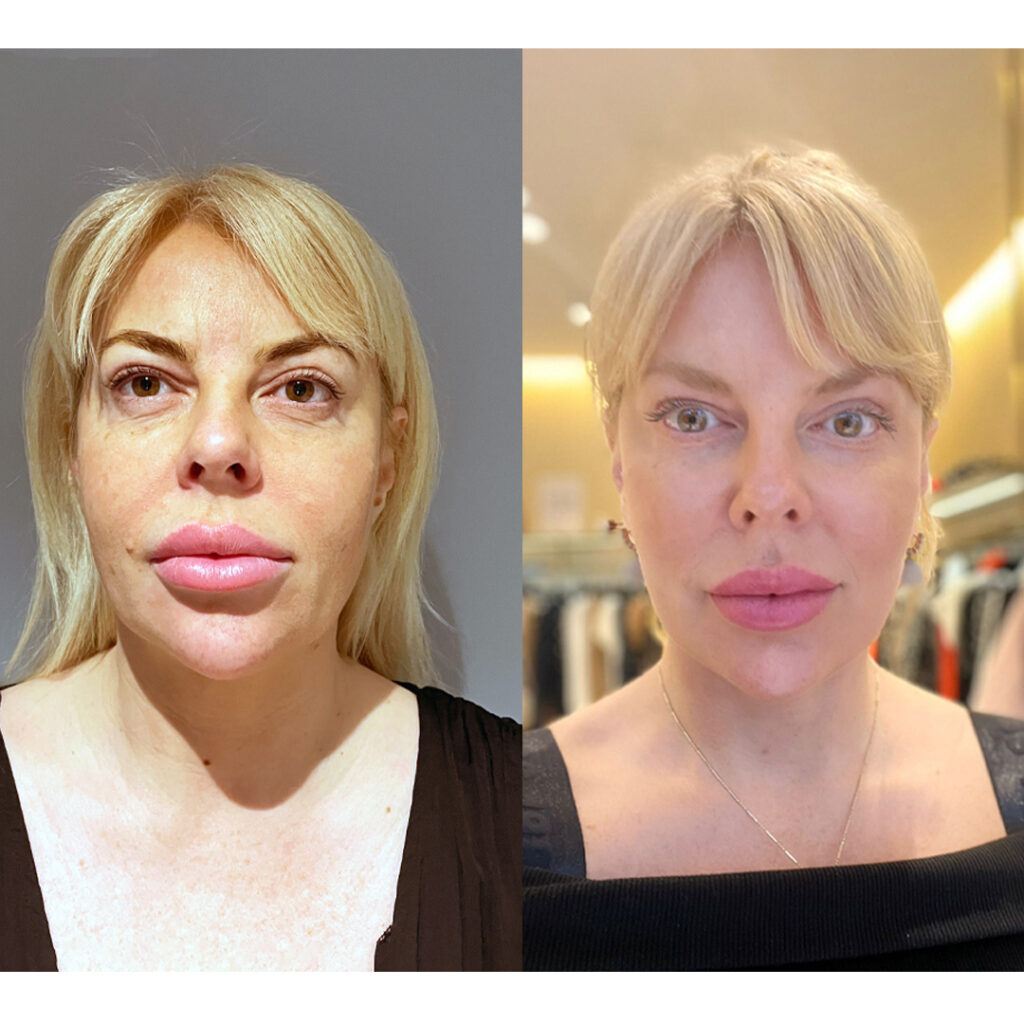
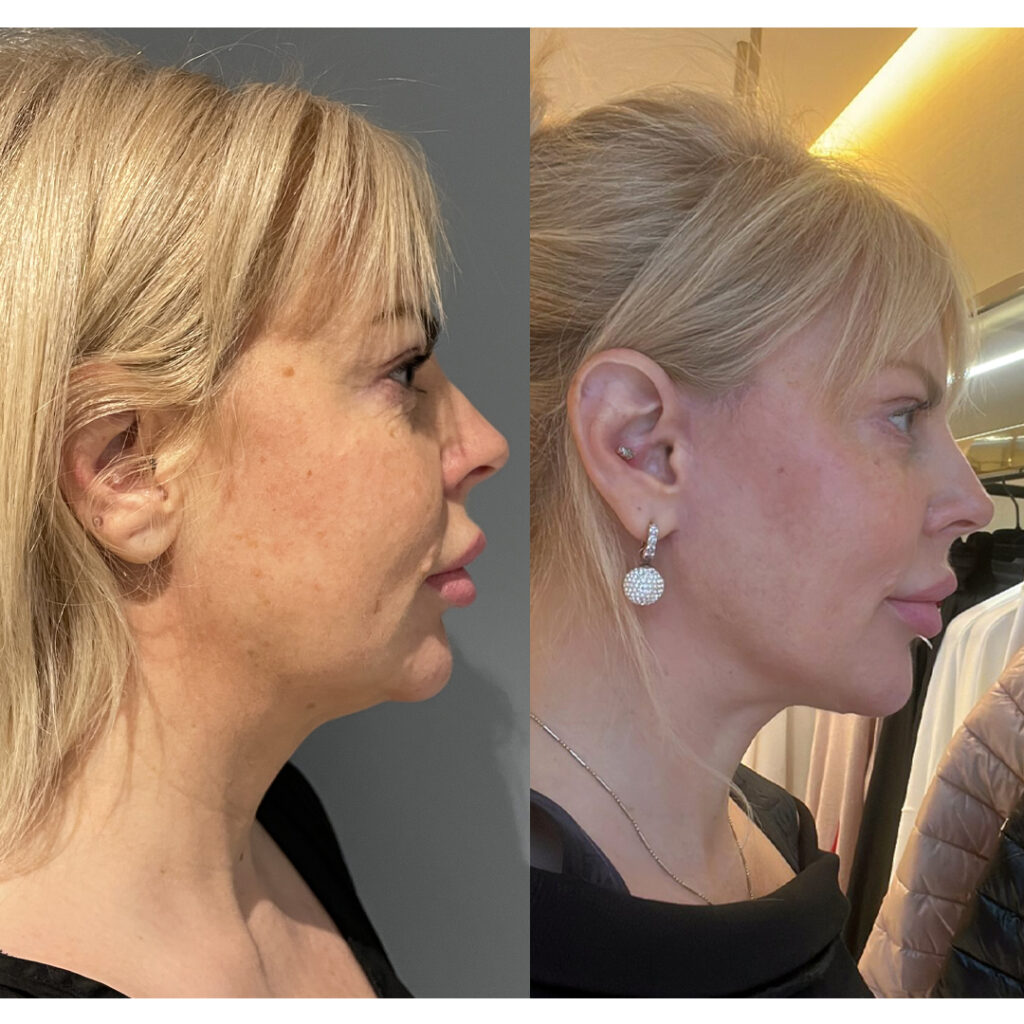
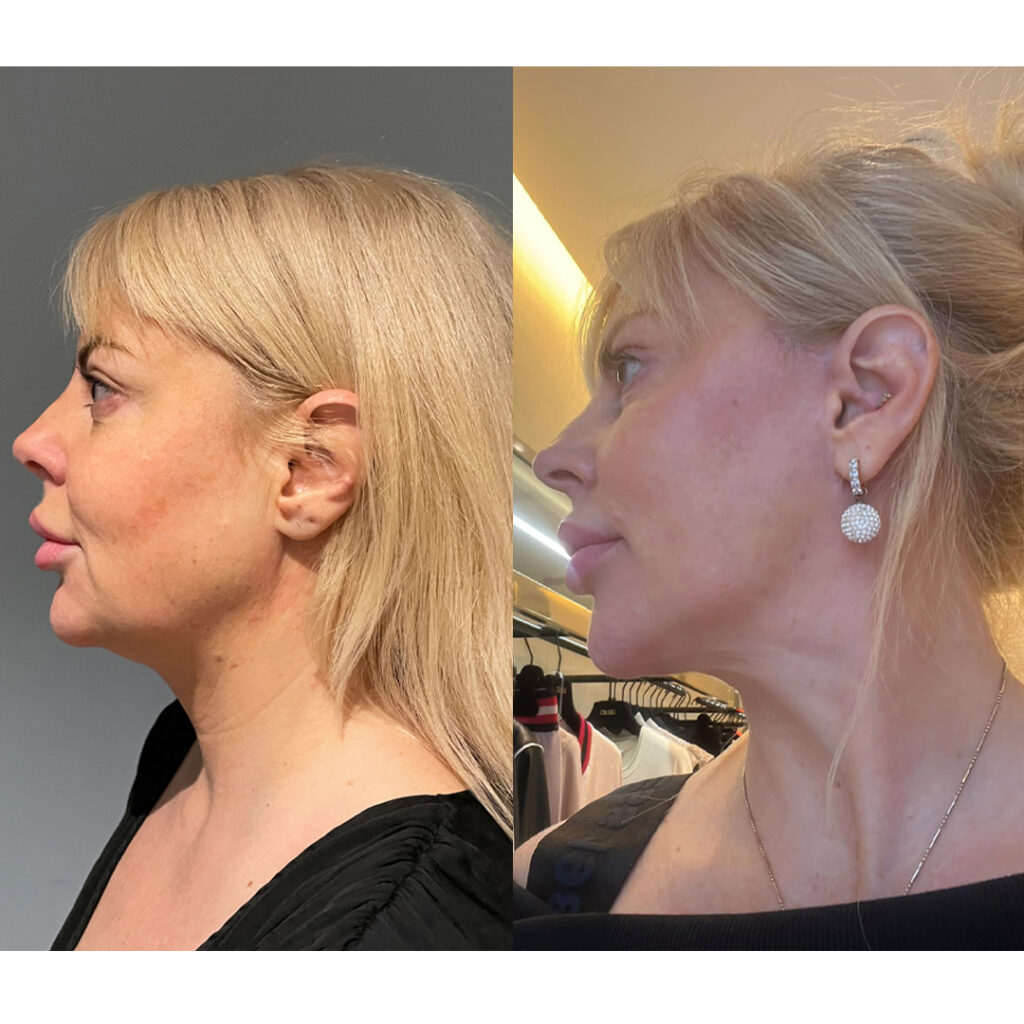
A facelift is a cosmetic surgical procedure performed to remove sagging skin and excess fat from the face, neck, and under the chin, helping patients achieve a younger, firmer, and more refreshed appearance. After facelift surgery, patients often report feeling more confident, rejuvenated, and satisfied with their overall facial appearance.
During the procedure, loose and sagging skin is carefully tightened and repositioned to restore natural facial contours. Patients with good skin elasticity generally achieve the best and most long-lasting results from facelift surgery.
Facelift Procedure and Combination Surgeries
Facelift surgery can be performed:
As a standalone procedure
Or in combination with other facial surgeries, such as:
Brow lift
Blepharoplasty (eyelid surgery)
Combining procedures allows for more harmonious and comprehensive facial rejuvenation.
Who Is a Good Candidate for Facelift Surgery?
The ideal candidates for facelift surgery are individuals:
Between the ages of 40 and 65
Experiencing facial and neck sagging
With excess fat deposits in the face or neck
Who still maintain good skin elasticity
Surgical Details
Surgery duration: approximately 3–4 hours
Anesthesia: usually performed under general anesthesia, though local anesthesia may be used in selected cases
Incision placement: carefully planned according to the patient’s facial anatomy and the chosen surgical technique, ensuring discreet and well-hidden scars
Aging Signs and the Need for Facelift
As aging progresses, especially after the age of 50, many individuals develop:
Sagging along the jawline
Excess fat and looseness in the neck area
Deep wrinkles in front of the ears
These changes can significantly affect facial harmony. At this stage, facelift surgery provides effective rejuvenation by restoring firmness and smoother contours.
Facelift Techniques
Depending on the patient’s needs and facial structure, facelift surgery may be performed using:
The SMAS (Superficial Musculoaponeurotic System) technique
Or the classic facelift technique
The most appropriate technique is determined after a detailed consultation to ensure natural-looking and optimal results.