Tummy Tuck Surgery (Abdominoplasty)
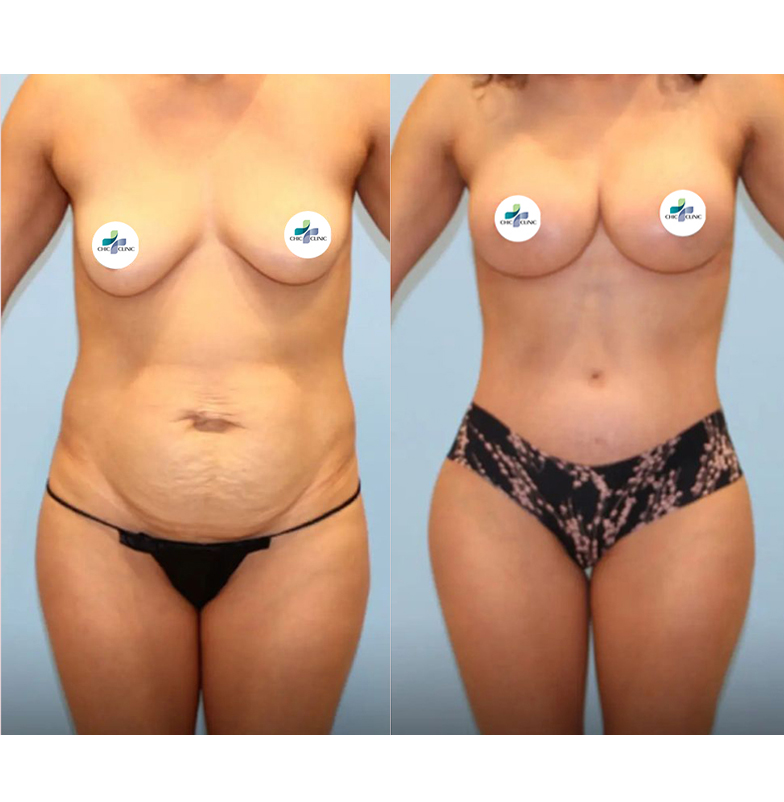
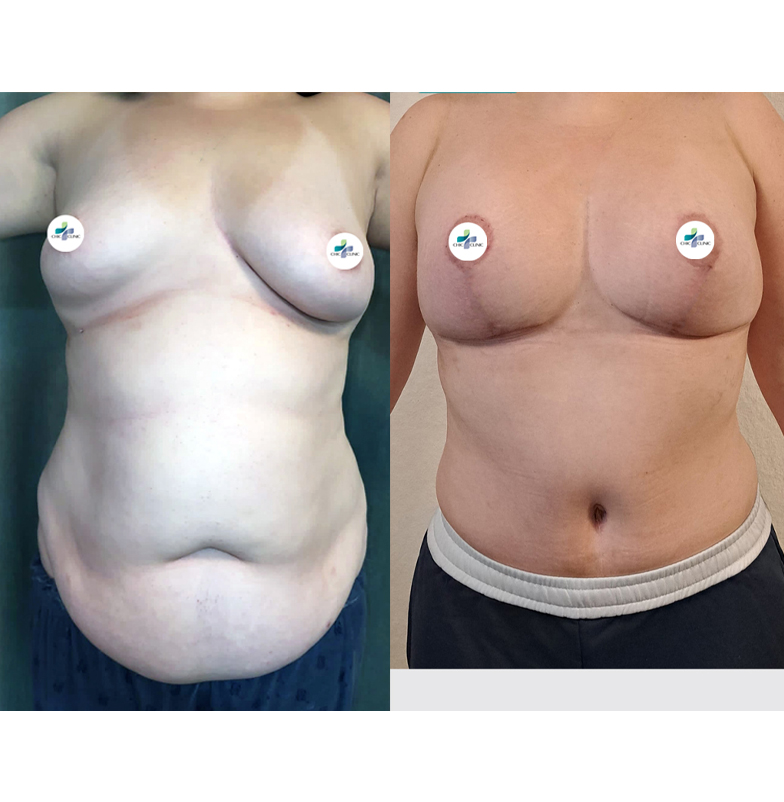
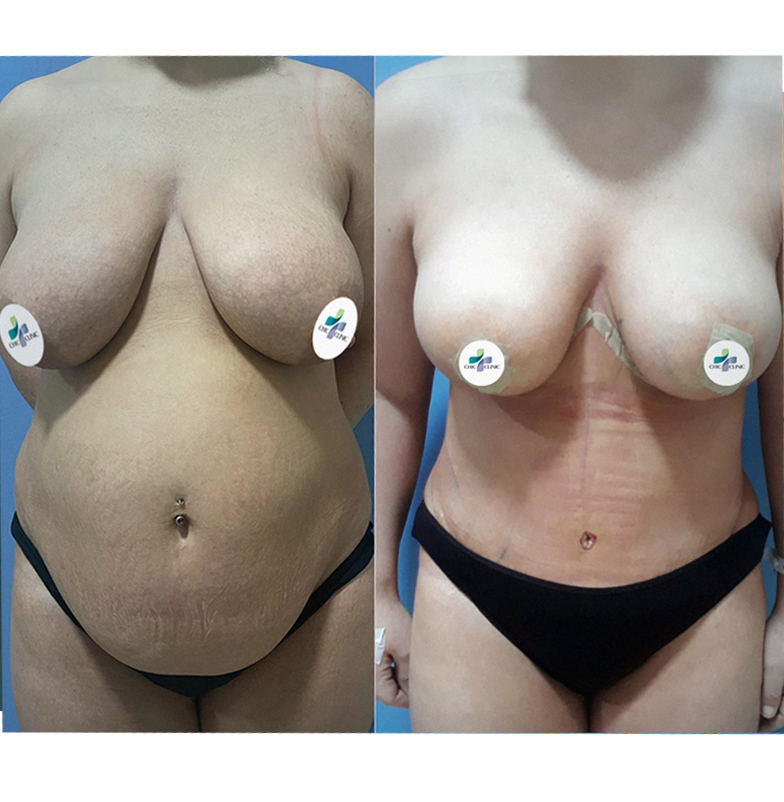
A tummy tuck, also known as abdominoplasty, is a cosmetic surgical procedure designed to remove excess skin and localized fat from the front of the abdominal area while tightening weakened abdominal muscles. Stretch marks and skin laxity commonly develop after pregnancy or significant weight fluctuations, making abdominoplasty an effective solution for restoring a flatter and firmer abdomen.
Purpose of Abdominoplasty
The main goals of tummy tuck surgery are to:
Remove excess abdominal fat and loose skin
Reduce or eliminate stretch marks (especially below the belly button)
Tighten the abdominal muscles
Restore a smooth, firm, and youthful abdominal contour
The procedure helps the abdominal area regain its ideal shape and appearance.
Procedure Duration and Hospital Stay
Abdominoplasty surgery typically takes 2 to 4 hours, depending on the extent of the procedure. Absorbable sutures are used, so stitch removal is not required. Patients usually stay in the hospital overnight under medical supervision and are discharged the following day.
Most patients can return to work within 2 to 3 weeks, depending on their recovery progress.
Recovery and Scarring
After surgery, patients are advised to:
Wear a compression corset for a specific period
Avoid sports and strenuous activities during the healing phase
Abdominoplasty does leave a scar; however, the incision is carefully placed below the bikini line, according to the patient’s preferred underwear style. Over time, the scar fades and becomes thin and minimally visible.
Final results of tummy tuck surgery are typically visible after at least 4 months, once swelling has fully subsided and tissues have healed.
Who Is a Good Candidate for a Full Tummy Tuck?
A full tummy tuck is recommended for individuals who:
Have experienced significant weight loss or multiple pregnancies
Have excess skin above and below the belly button
Notice a prominent skin fold in the lower abdomen when sitting
Ideal Candidates for Tummy Tuck Surgery
Tummy tuck surgery is suitable for:
Individuals who are not morbidly obese
Patients unable to eliminate abdominal fat despite diet and exercise
Those with sagging skin, skin laxity, or stretch marks after weight loss
Individuals with a large or protruding abdomen without prior pregnancy
Women with abdominal skin laxity and stretch marks after childbirth
Patients with localized abdominal fat despite an otherwise proportionate body
Patients without medical conditions that contraindicate surgery can safely undergo abdominoplasty.
Types of Abdominoplasty
Endoscopic Abdominoplasty
Preferred when there is minimal excess skin and fat, but abdominal muscle laxity due to pregnancy or weight changes.Mini Tummy Tuck (Mini-Abdominoplasty)
Ideal when excess skin and fat are limited to the lower abdomen only.
Each surgical approach is selected based on the patient’s anatomy and aesthetic goals.