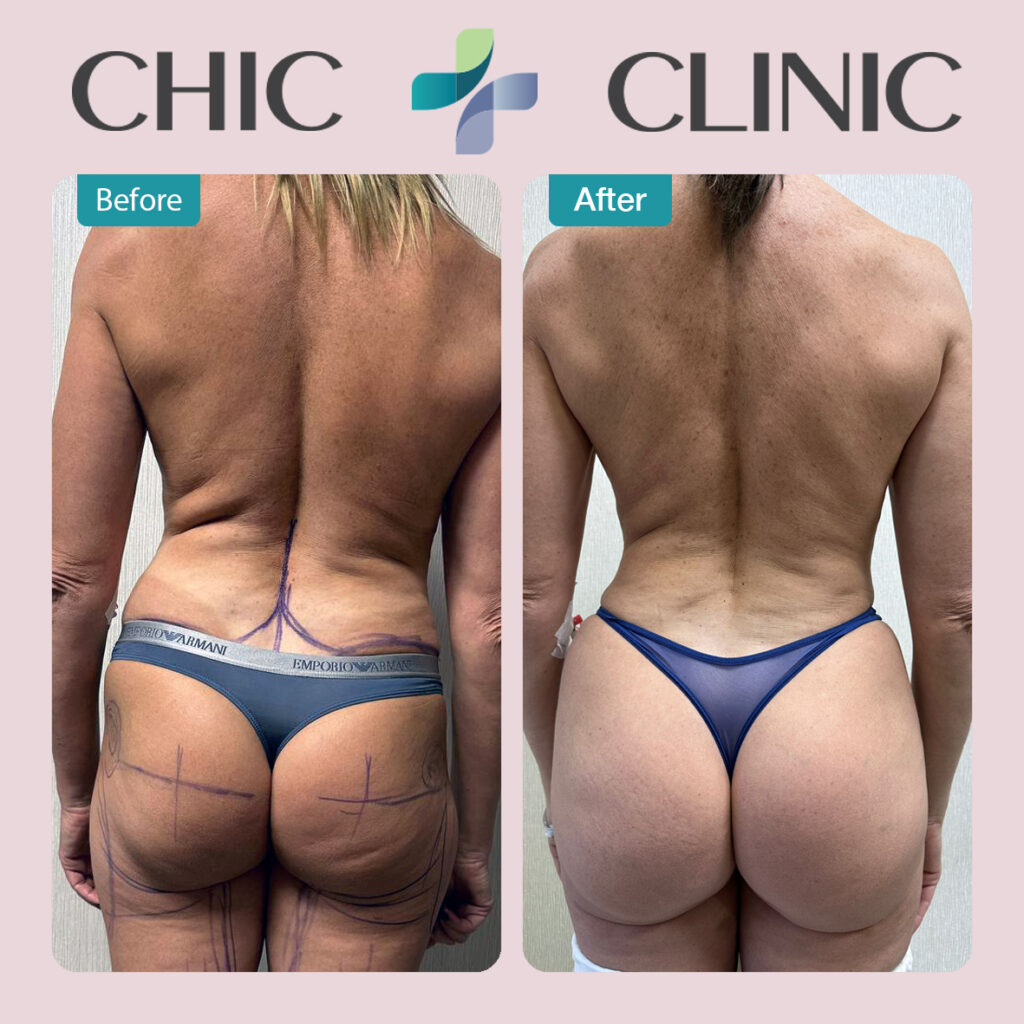
BBL (Brazilian Butt Lift) / Gluteoplasty
BBL (Brazilian Butt Lift), also known as Gluteoplasty, is a cosmetic surgical procedure designed to enhance, lift, and reshape the buttocks for a more attractive and balanced body contour. In some cases, gluteoplasty may also be performed to reduce or refine the appearance of the buttocks, depending on the patient’s anatomy and aesthetic goals.
During BBL surgery, the lower back, waist, hips, and buttocks are evaluated as a single anatomical unit. A personalized surgical plan is created based on the patient’s body structure, fat distribution, and desired outcome to achieve natural and harmonious results.
BBL Techniques
Several surgical techniques may be used during a Brazilian Butt Lift, including:
Liposuction and fat transfer (lipofilling)
Skin tightening procedures
Silicone buttock implants (when necessary)
In most cases, excess fat is removed via liposuction from areas such as the abdomen, waist, lower back, and flanks, then purified and strategically injected into the buttocks to increase volume and improve shape.
If the patient does not have sufficient fat for transfer, silicone buttock implants may be used as an alternative to achieve the desired projection and contour.
Anesthesia, Duration & Recovery
BBL surgery is performed under general anesthesia and typically lasts 1 to 1.5 hours when fat transfer alone is used. After surgery, patients are required to wear a special compression garment (corset) for approximately 2 weeks to support healing and optimize results. Most patients can return to work within 7 days, depending on their recovery progress.
When buttock implants are included, the procedure takes approximately 3 hours, and an overnight hospital stay is required for medical observation.
Preoperative Guidelines
As with all surgical procedures, patients must:
Stop smoking
Discontinue aspirin, blood thinners, and similar medications
at least 2 weeks prior to BBL surgery, as these substances can increase the risk of bleeding and complications.
Postoperatively, your surgeon may prescribe appropriate pain relief medications to ensure a comfortable recovery.