What Is Cataract? – Causes, Symptoms & Treatment Options
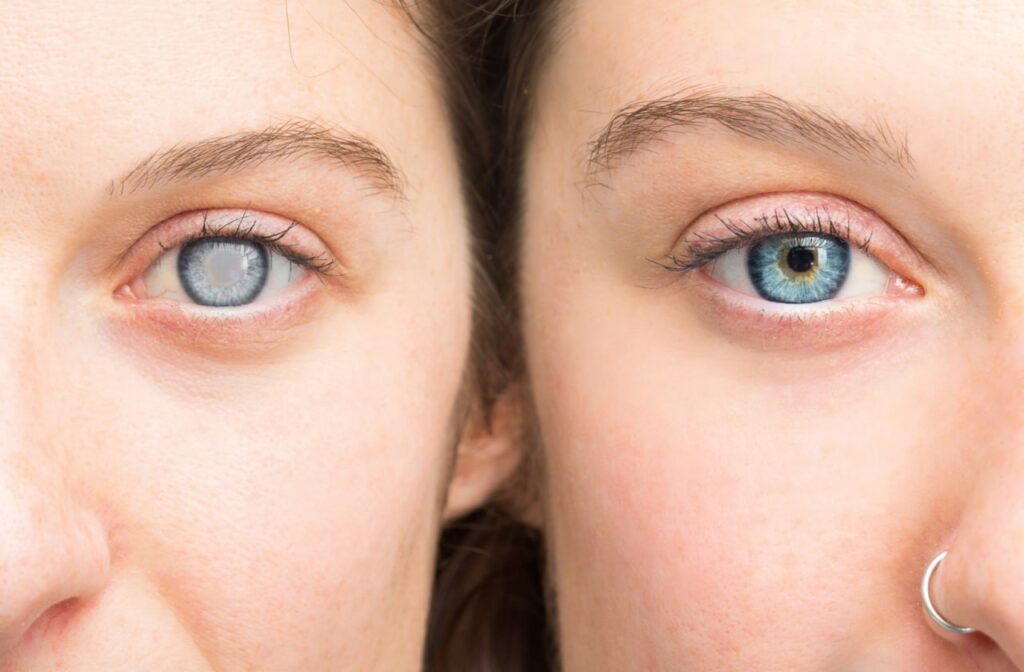
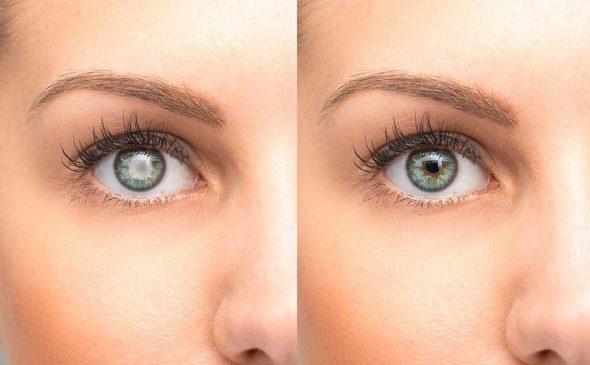
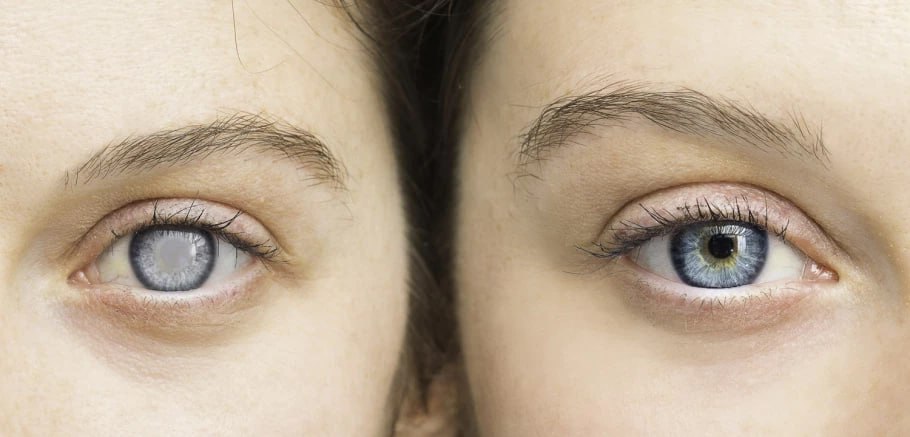
A cataract is the clouding of the eye’s natural lens, which is located behind the pupil. As the lens loses its transparency and becomes cloudy, vision gradually becomes blurred—often described as looking through fogged or frosted glass. Cataracts typically develop slowly and are most commonly associated with aging, usually beginning between the ages of 55 and 60.
How Does Cataract Develop?
The eye’s natural lens is primarily composed of water and proteins. Its transparency depends on the precise structure of these proteins, which allows light to pass through clearly.
With aging, changes occur in the water–protein balance of the lens, leading to loss of transparency in certain areas. As this process progresses, light transmission decreases, and vision becomes increasingly impaired—resulting in cataract formation.
Common Symptoms of Cataract
Cataract symptoms usually worsen gradually and may include:
Increased sensitivity to light and glare
Double vision
Difficulty reading
Poor vision in dim light, fog, or at dusk
Reduced night vision and scattering of lights
Fading or yellowing of colors
Frequent need to change eyeglass prescriptions
Difficulty driving, especially due to car headlights at night
Risk Factors for Cataract
Although aging is the most common cause, cataracts can also develop due to:
High myopia (severe nearsightedness)
Diabetes and certain metabolic diseases
Long-term use of systemic cortisone medications
Prolonged exposure to ultraviolet (UV) radiation
Family history of early-onset cataracts
Eye trauma or injury
Additional factors that may accelerate cataract formation include:
Smoking
Excessive alcohol consumption
Hypertension
Obesity
Use of cholesterol-lowering medications (statins)
Cataract Treatment
❗️ Cataracts cannot be treated with medication or glasses.
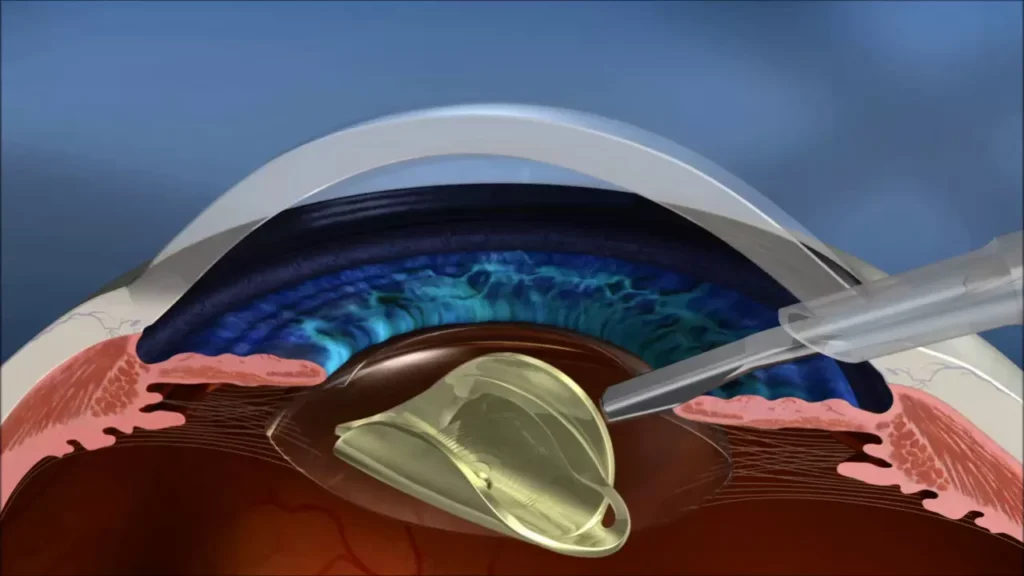
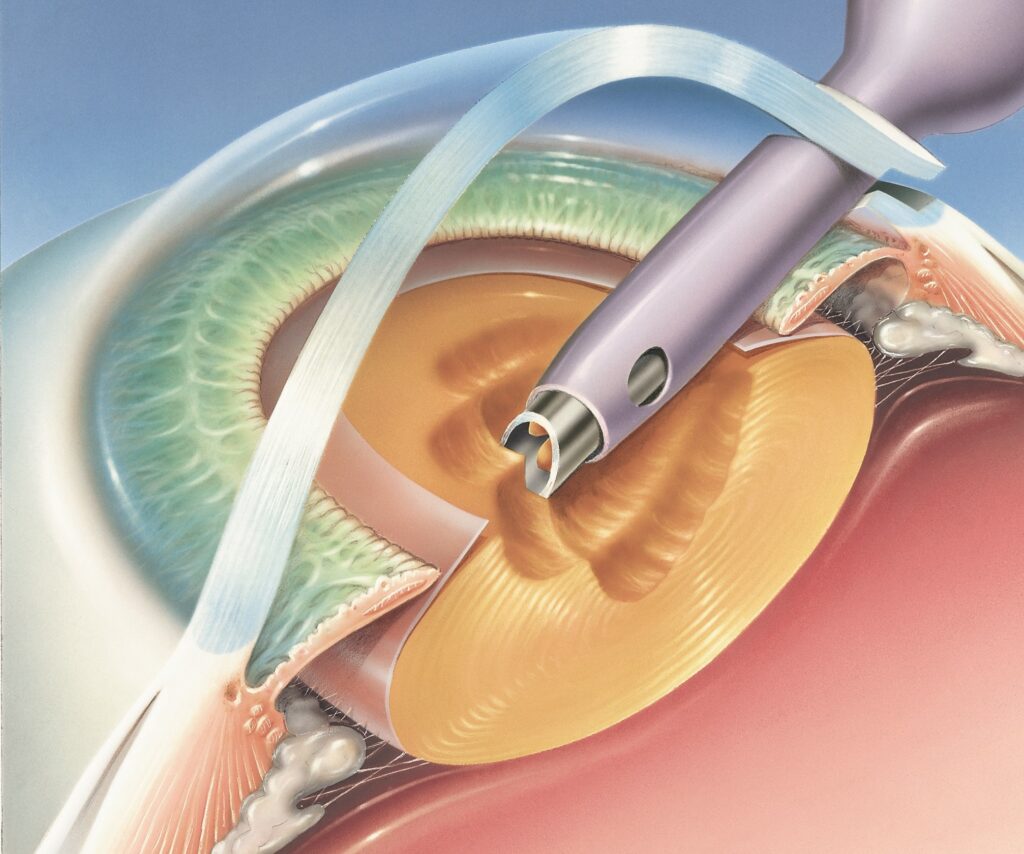
The only effective treatment for cataract is surgical removal of the cloudy lens, which is then replaced with an artificial intraocular lens (IOL). Cataract surgery is a safe and highly successful procedure that restores clear vision and significantly improves quality of life.
Book Your Cataract Consultation
If you are experiencing symptoms of cataract or have been diagnosed with lens opacity, early evaluation is essential. Our experienced ophthalmology team offers advanced diagnostic methods and modern cataract surgery techniques tailored to your needs.