Eyelid Aesthetics (Blepharoplasty)
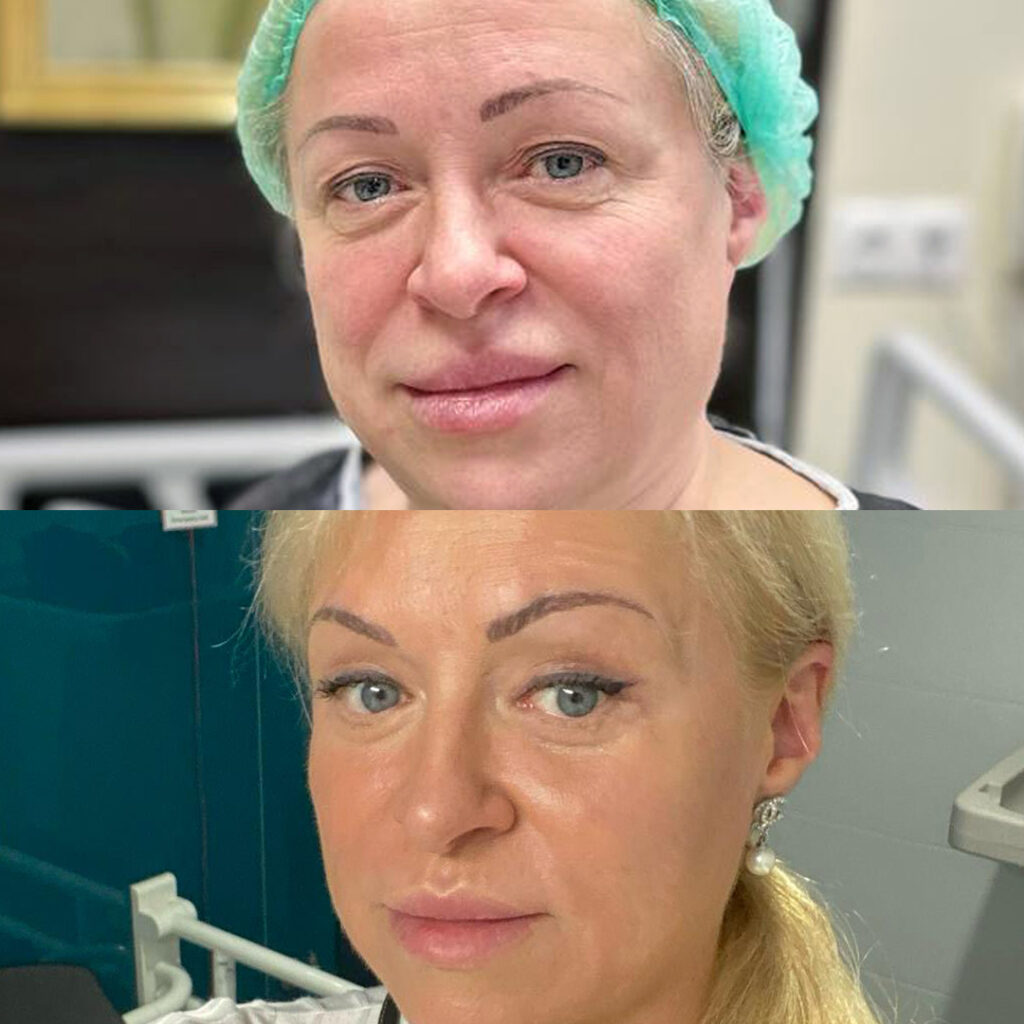
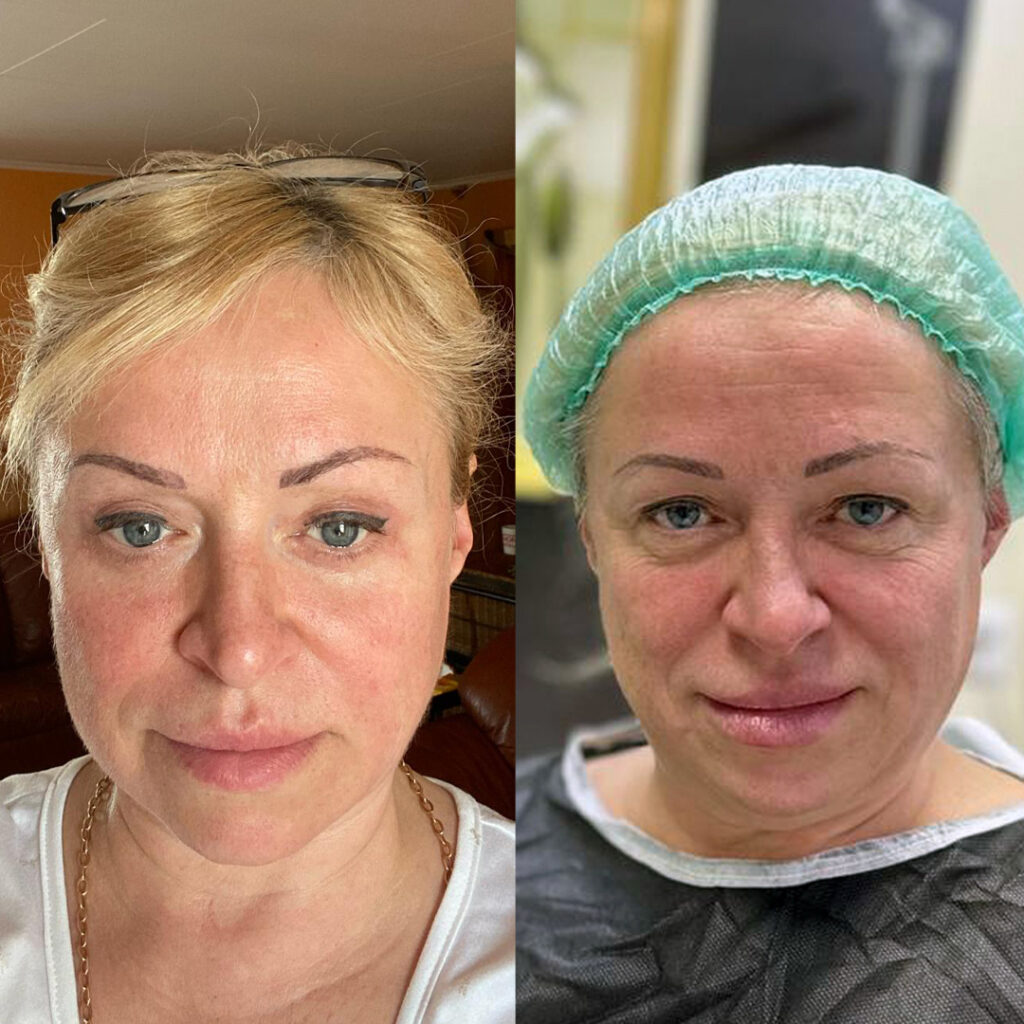
Eyelid aesthetics, also known as blepharoplasty, is a cosmetic surgical procedure designed to tighten the eye contour and restore a younger, more refreshed appearance.
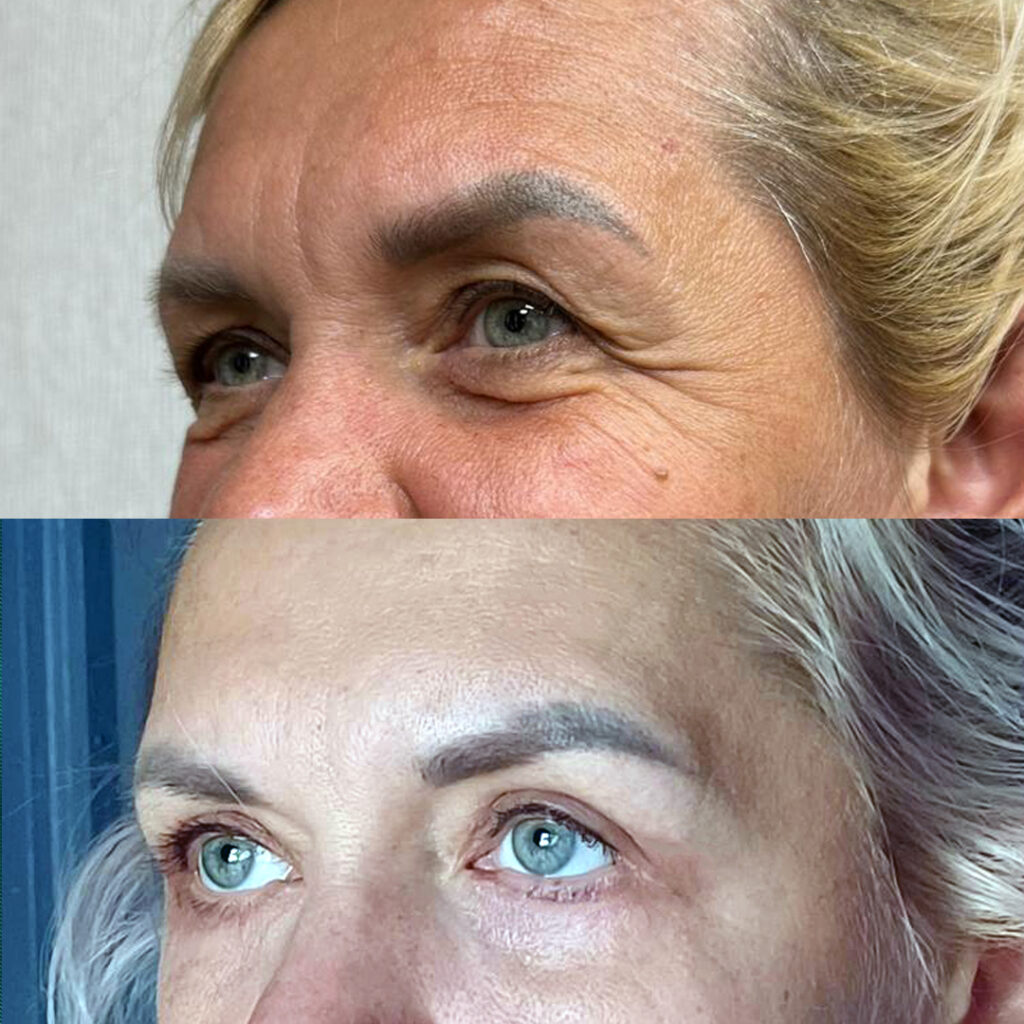
As part of the natural aging process, sagging skin, puffiness, and wrinkles typically begin to appear on the eyelids between the ages of 35 and 40. These changes may cause the face to look tired, sad, or older than it actually is. Blepharoplasty addresses these concerns by removing excess skin and, when necessary, fat from the eyelids, resulting in a brighter, more youthful look.
Who Is a Candidate for Blepharoplasty?
Blepharoplasty is most commonly performed after the age of 35; however, some individuals experience eyelid problems at a younger age due to hereditary factors. In such cases, eyelid surgery can be safely performed earlier.
This procedure:
Has minimal surgical risks
Can be performed on both upper and lower eyelids
Is suitable for men and women
Importance of Eyebrow Position
Before performing blepharoplasty, the position of the eyebrows must be carefully evaluated. If eyebrow drooping is present, a brow lift procedure may be recommended in combination with eyelid surgery to achieve optimal and long-lasting results.
Permanent Solution for Eyelid Wrinkles
The eyelid skin is the thinnest and most delicate skin on the body, making it particularly prone to wrinkles and sagging. While Botox injections can temporarily reduce wrinkles around the eyes, blepharoplasty provides a permanent solution for excess skin and structural deformities.
Blepharoplasty can be safely performed at any age in patients with eyelid wrinkles or deformities and offers natural, long-lasting aesthetic improvement.