Breast Reduction Surgery (Reduction Mammoplasty)
Breast reduction is a surgical procedure performed when the breasts are excessively large due to factors such as pregnancy, weight gain, or breastfeeding. Oversized breasts are not only an aesthetic concern but can also lead to significant physical and medical problems.
Many patients experience chronic back, neck, and shoulder pain, restricted physical activity, skin irritation or rashes under the breasts, deep grooves on the shoulders caused by bra straps, and difficulty wearing comfortable or desired clothing. These issues can negatively affect daily life and overall quality of life.
How Breast Reduction Surgery Is Performed
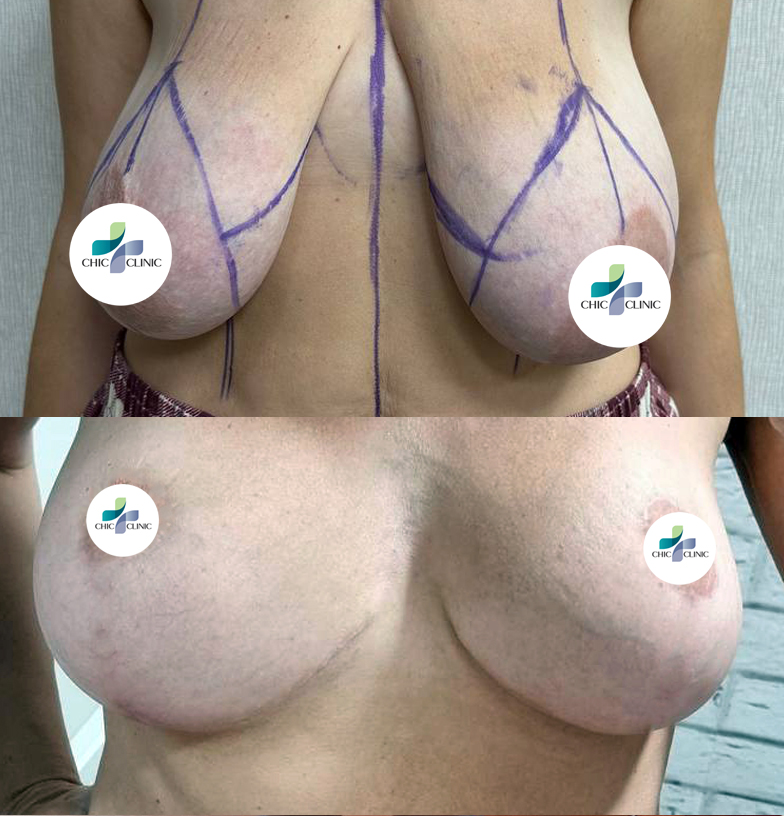
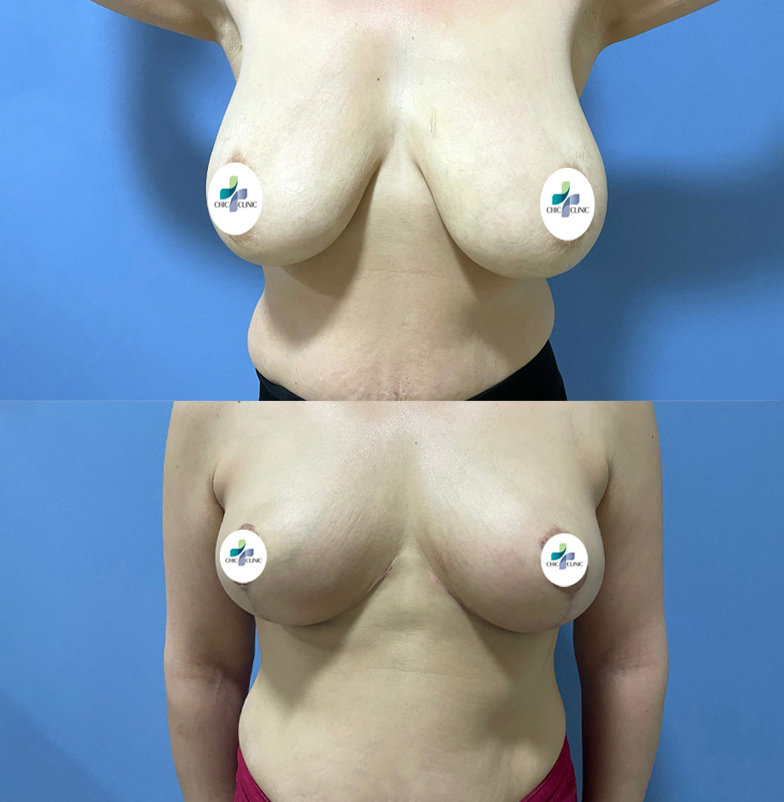
During breast reduction surgery, excess breast tissue, fat, and skin are carefully removed to reduce the size and weight of the breasts. The goal is to create breasts that are more proportional to the patient’s body while relieving physical discomfort. If there is a size difference between the breasts, appropriate surgical techniques are used to achieve breast symmetry.
Preoperative Planning and Surgical Process
Before the surgery, the patient’s breast size and weight are carefully evaluated. Based on these measurements, detailed surgical markings are made to design the new breast shape and position. The operation is performed under general anesthesia and typically takes 2 to 3 hours.
Recovery After Breast Reduction
After surgery, patients may experience mild discomfort or arm movement pain during the first few days, which is temporary and manageable. The stitches used are absorbable, so there is no need for suture removal. Most patients can return to work and daily activities within a short period, depending on their recovery progress.
Breast reduction surgery not only improves physical comfort but also enhances body proportions, posture, and self-confidence.