
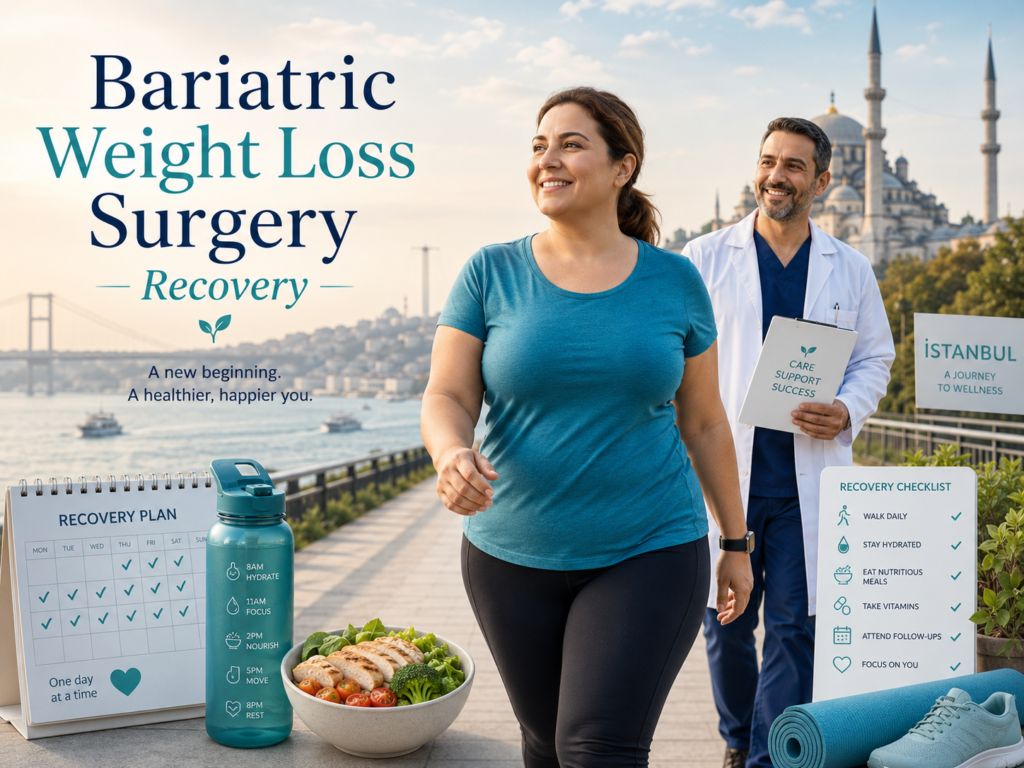
The first few days after surgery are usually the part patients worry about most. In reality, bariatric weight loss surgery recovery is less about one dramatic moment and more about steady progress – walking sooner than expected, drinking in small measured sips, and letting your body adjust to a major change with the right guidance.
For international patients, recovery also includes something very practical: where you stay, who helps you, how your follow-up is managed, and whether you feel supported while you heal away from home. That is why planning matters just as much as the procedure itself. A well-organized recovery period can reduce stress, help you follow instructions correctly, and make the entire experience feel far more manageable.
What bariatric weight loss surgery recovery usually feels like
Recovery after a gastric sleeve or gastric bypass is not identical for every patient, but there are common patterns. In the first 24 to 72 hours, most people feel tired, sore, and unusually aware of their stomach. You may have some abdominal discomfort, pressure from gas used during laparoscopic surgery, mild nausea, and a limited ability to drink more than tiny amounts at once.
That early phase can be frustrating because your mind may want to move faster than your body. Even so, the first signs of progress often come quickly. Patients are usually encouraged to walk early, stand upright, and begin sipping fluids in small amounts. Those simple steps are a major part of protecting recovery.
During the first two weeks, energy levels can rise and fall. Some patients feel surprisingly well by day five, then feel tired again a few days later. That does not always mean something is wrong. Your calorie intake is low, your hydration needs are high, and your body is adapting to surgery. Recovery is rarely perfectly linear.
The bariatric weight loss surgery recovery timeline
A realistic timeline helps patients prepare without panic. The first week is focused on rest, hydration, mobility, and pain control. Your team will usually ask you to walk regularly, avoid heavy lifting, and follow a strict liquid diet. This stage is more structured than many people expect, because healing depends on following the plan closely.
Weeks two to four are often when patients start feeling more independent. Soreness usually improves, but your diet is still limited and you still need to pace yourself. Returning to desk-based work may be possible for some people during this window, depending on how they feel and what procedure they had. More physical jobs often require longer.
From one to three months, the recovery focus shifts. Instead of simply getting through surgery, you are now building new habits around hydration, protein, meal timing, portion size, and physical activity. This is also when weight loss becomes more noticeable. That can feel exciting, but it can also come with adjustments in mood, appetite, and energy.
By three to six months, many patients feel significantly more comfortable in their daily routine. Even then, recovery is not over in the broader sense. Bariatric surgery changes how you eat and how your body responds to food long term. The surgical healing may move faster than the behavioral adjustment.
Pain, fatigue, and the symptoms patients ask about most
Pain is usually manageable, but it is not the same for everyone. Most patients describe tightness, tenderness around incision sites, and a deep sore feeling in the abdomen rather than extreme sharp pain. Shoulder discomfort can also happen because of residual gas after laparoscopic surgery. This often improves with walking and time.
Fatigue is one of the most underestimated parts of recovery. It is common to feel weak or low-energy in the early weeks, especially while intake is limited. Travel, stress, poor sleep, and anxiety can make that more noticeable for medical tourism patients.
Nausea can happen, particularly if you drink too quickly, eat before your stomach is ready, or struggle with supplements. Constipation is also common because of reduced intake, pain medication, and lower activity levels. These issues are often manageable, but they should never be ignored if they become persistent.
Patients should also understand the difference between expected discomfort and warning signs. Increasing abdominal pain, fever, repeated vomiting, inability to keep fluids down, shortness of breath, chest pain, or signs of dehydration need medical attention quickly. Good recovery is not about pushing through everything. It is about knowing when to ask for help.
Why diet stages matter so much after surgery
The post-op diet is not just a suggestion. It is part of healing. Right after surgery, the stomach needs time to recover, and that means a slow transition from clear liquids to fuller liquids, then pureed foods, then soft foods, and later regular textured meals as instructed.
Patients sometimes feel tempted to move ahead faster, especially if they are hungry or feeling better. That can backfire. Eating too much, too soon, or choosing the wrong texture can trigger pain, vomiting, and setbacks. The safest approach is to treat each stage seriously and follow your surgeon’s timeline rather than comparing yourself with someone else’s progress.
Hydration deserves special attention. Because you cannot drink large volumes quickly, you need to sip consistently throughout the day. Many patients find this harder than expected at first. Protein intake also becomes a daily priority, not an optional extra, because it supports healing and helps protect muscle mass during rapid weight loss.
Travel and recovery for international patients
If you are traveling abroad for surgery, your recovery plan should start before you book your flight. Patients often focus on the operation itself, but the smoother experience usually comes from thinking through airport movement, hotel comfort, transfer logistics, language support, and follow-up communication.
This is where a coordinated medical travel experience makes a real difference. When your accommodation, hospital process, transport, and patient support are organized in advance, you can focus on healing instead of trying to solve problems while tired and sore. For many international patients, that peace of mind matters almost as much as the surgeon choice.
The first days after surgery are not the time to navigate a city alone or manage complicated travel details. A concierge-style setup with translator support and scheduled transfers can reduce unnecessary strain. Chic Clinic Istanbul works with this kind of patient journey in mind, which is especially valuable when you are recovering away from home.
Flight timing also matters. Patients need enough time on the ground after surgery before traveling back, based on surgeon advice and the specifics of their procedure. It depends on your health, your mobility, and how your recovery is progressing. A shorter stay may sound convenient, but rushing home too early is rarely the smart option.
What makes recovery easier and what can slow it down
The patients who tend to recover more smoothly are not always the ones with the highest pain tolerance. They are often the ones who follow instructions closely, walk regularly, sip water consistently, keep in touch with their care team, and avoid testing limits too early.
Support matters more than many people expect. If someone is available to help with meals, medication reminders, movement, and practical needs, recovery often feels less overwhelming. Emotional support helps too. Even when patients are happy with their decision, post-op recovery can feel vulnerable.
What slows recovery down? Dehydration is a major one. So is trying to return to normal eating too fast. Smoking, skipping supplements, ignoring warning signs, and staying too sedentary can also create problems. There is also a mindset issue: some patients think feeling good on day four means they can resume everything. Usually, it means healing is underway, not complete.
The longer recovery most people do not talk about
There is the physical recovery from surgery, and then there is the adjustment to a new routine. They overlap, but they are not the same. As weight begins to drop, patients often feel encouraged, but they also have to adapt to eating differently in social settings, responding to hunger cues, and maintaining structure when motivation fluctuates.
Hair shedding, body image changes, shifting relationships with food, and periods of emotional ups and downs can happen during the months after surgery. That does not mean the procedure failed. It means the transformation is real and requires support beyond the operating room.
The most successful patients usually treat surgery as a tool, not a shortcut. Recovery is smoother when expectations are realistic. You are not just healing from an operation. You are building a different daily rhythm that needs consistency.
If you are considering surgery abroad, ask as many recovery questions as you ask about the procedure itself. The right team will not rush that conversation. They will explain what happens after the operating room, because that is where confidence is built and where real progress begins.