
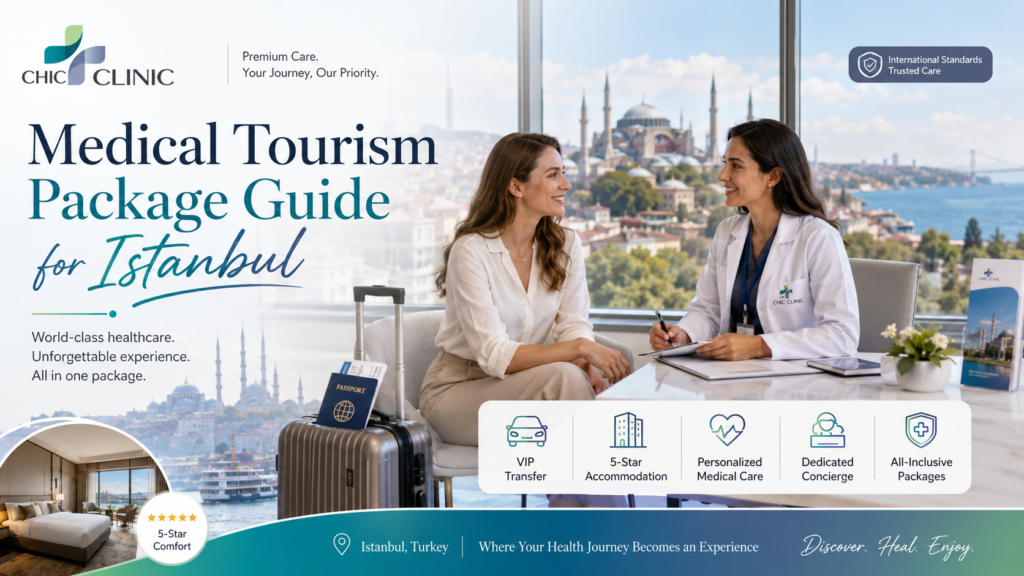
Booking surgery abroad is rarely just about the procedure. For most international patients, the real question is whether the entire trip will feel organized, safe, and easy to manage. That is why a medical tourism package guide matters. It helps you look past the headline price and understand what kind of support you are actually getting from the moment you ask for a quote to the day you fly home.
In Istanbul, package-based care has become the preferred route for patients traveling for aesthetic surgery, bariatric procedures, dental work, eye treatments, and hair transplantation. The reason is simple. When flights, hotel stays, hospital logistics, local transportation, translators, and recovery planning are handled under one coordinated system, the process feels less overwhelming. For patients coming from the US and other international markets, that level of structure can make the difference between a stressful trip and a confident one.
What a medical tourism package guide should help you evaluate
A strong medical tourism package guide is not just a checklist of perks. It should help you understand how a clinic or patient coordination team manages your full journey. Some packages look impressive on paper but leave major gaps once you ask practical questions. Others may seem more expensive at first, yet save time, reduce confusion, and prevent extra costs later.
The most useful way to assess a package is to break it into phases. First comes pre-travel planning. Then the treatment period itself. After that, there is post-op support, which many patients underestimate until they need it.
Before you travel, the package should include a clear consultation process. For many patients, that starts with WhatsApp communication, photos, medical history, and a preliminary case review. This early stage matters because it sets the tone. If communication feels vague or delayed before booking, that is usually not a good sign for what happens after arrival.
During your stay, a true package should coordinate the practical details that patients struggle with most when traveling alone. Think airport pickup, hotel check-in, clinic appointments, interpreter support if needed, and transport between the hotel, hospital, and clinic. These are not luxury extras for most travelers. They are the support layers that keep the trip organized when you are tired, anxious, or recovering.
After treatment, support should continue beyond the operating room. That can include medication guidance, follow-up checks, dressing changes, discharge instructions, and direct contact with the team if concerns come up. A package is only valuable if it still works when the patient needs reassurance, not just when the invoice is being discussed.
What is usually included in a medical tourism package
Not every clinic structures packages the same way, so details matter. In Istanbul, a well-built package often combines the medical side with hospitality support. The medical portion may include surgeon consultation, procedure planning, hospital fees, anesthesia, required pre-op tests, and post-op checks. The hospitality side may include hotel accommodation, VIP transfers, translator assistance, and patient coordination throughout the stay.
This bundled model appeals to international patients because it reduces the number of moving parts. Instead of arranging a surgeon, a hotel, local drivers, and medical appointments separately, you deal with one organized team. That can be especially helpful for patients coming for rhinoplasty, tummy tuck, liposuction, breast surgery, gastric sleeve, gastric bypass, dental veneers, implants, LASIK, cataract surgery, or hair transplantation, where timing and recovery planning matter.
Still, it is worth asking what is not included. Some packages do not cover flights. Others may exclude prescription medications, compression garments, additional nights if your recovery takes longer, or revision-related costs. You do not need a package to include everything, but you do need full clarity before committing.
Why bundled care is so popular in Istanbul
Istanbul has become a major destination for elective procedures because it combines experienced surgical teams, internationally known private hospitals, and a hospitality infrastructure built for overseas visitors. But the city’s appeal is not only about price. It is also about access and coordination.
Many patients want to avoid spending months waiting for consultations or navigating fragmented systems. They are looking for a guided path. In that sense, a package is part treatment plan and part travel management. It gives patients one point of contact, one process, and one support team instead of a patchwork of separate arrangements.
That convenience is especially attractive for patients who value privacy and want to keep their trip discreet. It also matters for those coming alone or traveling with one companion who is not equipped to manage local transportation, language differences, or appointment scheduling.
At Chic Clinic Istanbul, this style of coordination is central to the patient experience. The goal is not to sell a procedure in isolation, but to organize the entire journey so patients feel supported from consultation to return travel.
How to compare packages without getting distracted by price alone
The cheapest quote is not always the best value. A package that looks cheaper may use a lower hotel category, offer limited aftercare, or leave coordination up to the patient. On the other hand, a premium package may include stronger surgeon access, smoother logistics, and more responsive support. Whether that difference matters depends on your priorities.
If you are comparing offers, focus on four things. First, ask who will evaluate your case and whether your photos and medical details are reviewed before travel. Second, confirm where the procedure takes place and what level of hospital or clinic environment is involved. Third, understand exactly who coordinates your stay once you land. Fourth, ask what happens if your recovery timeline changes.
These questions sound basic, but they reveal a lot. A serious provider can explain the process clearly. If answers stay generic, or if every detail becomes clear only after payment, move carefully.
The services that make a package feel truly supportive
Patients often assume the surgeon is the only factor that matters. The surgeon is obviously critical, but the quality of coordination around the procedure matters more than many people expect. It shapes your stress level, comfort, and confidence throughout the trip.
Responsive communication is one of the biggest signals of a strong package. If your messages are answered clearly, your case steps are explained, and someone checks in before and after treatment, you feel looked after. That is not just a customer service issue. It directly affects how manageable the experience feels when you are in another country.
Translator support can also be more important than patients realize, especially during hospital admission, discharge instructions, and aftercare conversations. Even patients comfortable with English may prefer extra clarity when discussing medications, restrictions, and recovery expectations.
Then there is transportation. VIP transfers may sound like a marketing detail, but after surgery, convenience matters. Patients recovering from body procedures, bariatric surgery, or hair transplants do not want to negotiate taxis, directions, or delays. Smooth transportation reduces friction at exactly the moment you are least able to handle it yourself.
Hotel arrangements are another factor that can affect the trip more than expected. Location, comfort, privacy, and ease of transfer all contribute to a better recovery experience. A package that includes a well-managed hotel stay is often worth more than one that saves a small amount while leaving comfort to chance.
Who benefits most from a package approach
A package model is especially useful for first-time medical tourists, patients booking surgery without local contacts, and anyone who wants a more guided experience. It also suits people who are balancing affordability with convenience. Instead of chasing the lowest possible treatment price and organizing the rest alone, they choose a package that keeps the process controlled.
That said, not every patient wants the same level of support. Some prefer a more independent trip and may only need treatment coordination. Others want a full concierge-style experience with hotel, transport, translator service, and continuous communication built in. Neither approach is wrong. It depends on your comfort level, travel experience, and the kind of recovery you expect.
Questions to ask before you book
Before confirming a package, ask for a full written breakdown of inclusions and exclusions. Make sure you know the planned length of stay, accommodation category, transfer details, hospital setting, and follow-up structure. Ask how your consultation works, what photos or records are required, and whether your candidacy is reviewed before travel.
You should also ask what happens if your procedure plan changes after in-person examination. Some treatments require adjustments once the surgeon sees you in person. That is normal, but the financial and logistical side should be explained in advance.
The right package should make you feel informed, not rushed. Confidence usually comes from clarity. When a provider can explain the process in a direct, organized way, patients tend to feel far more comfortable moving forward.
Choosing care abroad is a major decision, but it does not have to feel chaotic. The best package is not the one with the longest list of extras. It is the one that turns a complicated medical trip into a well-managed experience you can actually feel ready for.