
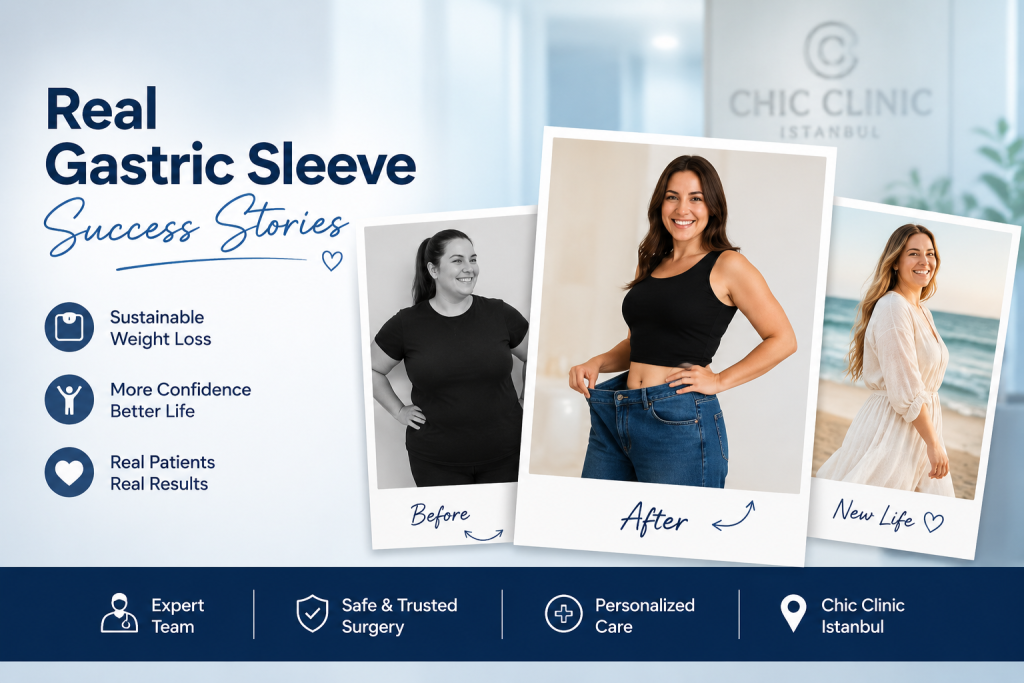
Some gastric sleeve success stories start with a photo. Not a dramatic before-and-after posted online, but a quiet moment at home – seeing yourself in a mirror, noticing how tired you look, or realizing you avoid cameras, long walks, flights, or certain clothes. For many patients, that is the real beginning. The decision to pursue surgery rarely comes from vanity alone. It usually comes from frustration, health concerns, and the feeling that life has become smaller than it should be.
That is why the most meaningful results are not just about pounds lost. They are about movement, confidence, energy, and relief. People want to breathe easier, shop without dread, sit comfortably on a plane, keep up with their children, or finally feel that their efforts match their goals. Gastric sleeve surgery can be a powerful tool for that change, but the stories that last have one thing in common: they are built on preparation, realistic expectations, and support.
What gastric sleeve success stories really have in common
From the outside, success can look simple. A patient has surgery, loses weight, posts new photos, and everyone calls it a transformation. In reality, the strongest outcomes are usually less dramatic and more disciplined. Patients who do well tend to understand that surgery changes stomach size, not every habit, emotion, or trigger that contributed to weight gain in the first place.
Successful patients usually arrive with a clear reason for doing this. Sometimes it is blood pressure, joint pain, insulin resistance, or sleep issues. Sometimes it is the emotional weight of living in a body that no longer feels manageable. The reason matters because motivation gets tested after surgery, especially in the first months when eating patterns change quickly and recovery requires patience.
Another pattern shows up again and again. Patients who treat the sleeve as the start of a new routine, not the end of a struggle, tend to maintain better long-term results. They follow nutrition guidance, prioritize hydration, respect portion sizes, and stay connected to their care team. The procedure creates a strong reset. What patients do with that reset is what shapes the outcome.
Before the weight loss, there is usually a breaking point
Many people researching surgery abroad are not new to trying. They have already done calorie counting, personal training, low-carb plans, weight-loss medications, meal replacement programs, and periods of strict discipline followed by regain. That history matters because it explains why success after gastric sleeve often feels emotional, not just physical.
A common story is the patient who appears functional to everyone else but feels worn down in private. They may still work, travel, and show up for family, but everything takes more effort. Stairs feel harder. Social plans come with anxiety. Shopping becomes frustrating. Even medical appointments start to feel loaded with judgment. By the time they begin researching surgery, they are not looking for a miracle. They are looking for a path that finally feels possible.
For international patients, there is another layer: they also want the process to feel organized. If you are traveling for surgery, the experience matters almost as much as the procedure itself. Clear communication, pre-travel planning, airport pickup, translator support, and a structured recovery plan can make the difference between feeling overwhelmed and feeling looked after.
The first months after surgery are where real habits are built
The most honest gastric sleeve success stories do not skip over the adjustment period. The early phase can be exciting, but it can also be uncomfortable. Eating changes fast. Energy can fluctuate. Social routines shift. Patients have to slow down, chew carefully, and learn new signals from their body.
This is often where expectations need to be managed. Weight loss is usually significant, but it is not perfectly linear. Some weeks move fast. Others stall. Some patients feel thrilled by early changes in clothing size and mobility. Others feel impatient, especially if they expected every problem to disappear immediately. Both reactions are normal.
Patients who stay steady through this phase tend to focus on consistency rather than speed. They measure success in more than one way. Yes, the scale matters. But so does walking without stopping, sleeping better, needing fewer medications, crossing legs comfortably, or fitting into spaces that once felt tight. Those wins are often what make the procedure feel life-changing.
Real success looks different from person to person
One patient may call it a success because they lost a large amount of weight and finally feel comfortable in photos. Another may define success by getting off blood pressure medication or reducing chronic knee pain. Someone else may be most grateful for the privacy and structure of having their surgery coordinated abroad without having to manage every detail alone.
That is worth saying clearly: success is personal. It also depends on where you start. Patients with a higher starting weight may lose more total pounds but still have a longer road ahead. Patients with lower starting weights may see dramatic changes in body shape and mobility sooner. Age, metabolism, medical history, hormonal factors, and adherence all influence results.
This is why trustworthy guidance matters more than flashy promises. Anyone claiming identical outcomes for every patient is oversimplifying the process. Good bariatric care is individualized. The best journeys are planned around your health profile, your goals, and your ability to follow through after surgery.
Why support changes the outcome
One of the least discussed parts of success is how much easier it is when patients feel guided. That is especially true for medical tourism. Traveling for gastric sleeve surgery can be a smart and efficient choice, but only when the experience is coordinated well from the beginning.
Patients often feel calmer when they know what happens at each stage – initial review, eligibility check, travel dates, airport welcome, hospital process, recovery, and return planning. That structure reduces hesitation. It also helps patients focus on recovery instead of logistics.
For many international patients, concierge-style coordination is not a luxury. It is what makes the treatment feel manageable. When communication is clear and support is available, patients can move forward with more confidence. Brands such as Chic Clinic Istanbul understand that people are not just booking surgery. They are trusting a team with a major life decision in a foreign country, and that trust has to be earned through organization, responsiveness, and consistency.
What people rarely mention about long-term results
The strongest long-term stories are usually quieter than the early reveal. They are about maintenance. About reaching a year, then two years, and realizing the new routine is no longer new. Patients still have to make choices. They can still snack too often, eat around the sleeve, or fall back into emotional patterns if they are not paying attention. Surgery helps a great deal, but it does not remove every challenge.
At the same time, many patients report that for the first time, their efforts actually work. Smaller portions feel satisfying. Hunger changes. Progress becomes more visible. Exercise feels possible instead of punishing. Those shifts can create momentum that was missing before.
This is the trade-off patients should understand. Gastric sleeve is not the easy way out, but it can make sustainable weight loss more achievable for the right candidate. The procedure asks for commitment. In return, it can offer a level of progress that years of dieting did not deliver.
Reading gastric sleeve success stories with the right mindset
If you are researching this procedure, use success stories as perspective, not pressure. Let them show you what is possible, but do not treat someone else’s timeline as your standard. The better question is not, “Will my journey look exactly like theirs?” It is, “Do I have the right plan, the right medical team, and the right support to give myself the best chance of success?”
That shift matters. It turns surgery from a fantasy into a decision. It helps you look beyond photos and ask practical questions about candidacy, safety, travel, recovery, and aftercare. It also helps you recognize that the best outcomes are rarely accidental. They are built with intention.
The most powerful stories are not about becoming a different person overnight. They are about finally feeling aligned with the life you want to live. If you are at the stage where daily discomfort, failed attempts, or health concerns are pushing you to look for real change, the next step is not to chase perfection. It is to choose a path that gives you structure, support, and a genuine chance to move forward with confidence.