
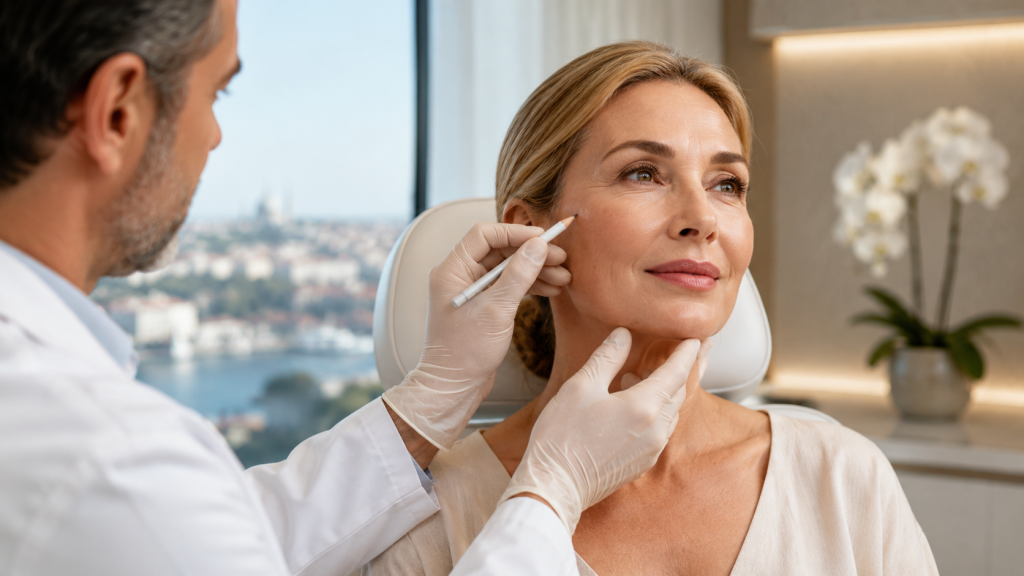
A facelift is rarely about looking like a different person. For most patients, it is about looking less tired, less heavy around the jawline, and more in line with how they still feel inside. That is exactly why facelift surgery in Istanbul continues to attract international patients who want experienced surgical care, a practical treatment plan, and a smoother travel experience from the first consultation to the final follow-up.
For patients traveling from the US and other countries, the decision is usually not based on price alone. It is about value. You want a skilled surgeon, clear communication, realistic expectations, and support that makes an overseas procedure feel organized rather than stressful. When those pieces come together, Istanbul becomes more than a destination. It becomes a smart setting for treatment.
Why patients choose facelift surgery in Istanbul
Istanbul has become a leading destination for aesthetic procedures because it offers a strong mix of surgical experience, international patient coordination, and hospitality. This matters with facelift surgery because the procedure is not something patients choose casually. It requires planning, trust, and a team that understands both the medical and travel side of care.
Many patients considering surgery abroad are balancing three priorities at once. They want natural-looking results, they want a more accessible price compared with the US, and they want to feel supported throughout the process. That support can make a major difference, especially when you are arranging consultations remotely, flying in for surgery, and recovering away from home.
This is where a coordinated approach stands out. Instead of trying to manage surgeon research, hotel bookings, airport transportation, translator needs, and clinic communication on your own, patients often prefer an end-to-end path. For many, that level of structure reduces anxiety before they even arrive.
Who is a good candidate for a facelift?
A facelift is generally best suited to patients dealing with visible facial aging that cannot be meaningfully improved with skin treatments alone. The most common concerns include sagging in the lower face, deep folds around the mouth, loose skin through the jawline, and loss of definition in the neck.
Good candidates are often in their 40s, 50s, 60s, or beyond, but age itself is not the deciding factor. Skin quality, facial structure, general health, and expectations matter more. Some patients need a full facelift with neck work, while others may be better suited for a mini facelift or a combined plan that also includes eyelid surgery or fat transfer.
This is one of the most important trade-offs to understand early. A less invasive option may mean a shorter recovery, but it may also deliver more limited improvement. A more comprehensive surgery can create stronger, longer-lasting definition, but it comes with a more involved healing period. The right plan depends on your anatomy and your goals, not on a one-size-fits-all package.
What a facelift can and cannot do
A well-performed facelift can restore contour, tighten deeper structures, and reduce the heavy or descended look that develops over time. It can improve the jawline, soften deep creases, and create a fresher overall appearance. When done properly, the goal is not a pulled look. It is a rested, natural result.
What it cannot do is stop aging or completely change skin texture. Fine lines, sun damage, and volume loss in certain parts of the face may need separate treatments. That is why a proper assessment matters. Some patients imagine that a facelift addresses every facial concern at once, but the best outcomes come from knowing exactly what surgery can improve and where additional treatments may or may not help.
Your consultation before traveling
Most international patients start with an online consultation. Typically, this includes sharing clear facial photos, medical history, current concerns, and the kind of result you want. This first step is not just about eligibility. It is also how your care team begins shaping your journey, including procedure planning, travel timing, and recovery expectations.
A strong consultation process should feel clear, not rushed. Patients need to understand whether they are a suitable candidate, what type of facelift is being considered, how long they should stay in Istanbul, and what their early recovery may look like. If you are comparing providers, this stage often reveals the difference between a simple quote and a genuinely guided service.
For many medical travelers, practical guidance matters almost as much as the surgery itself. That includes help with scheduling, arrival planning, hotel arrangements, ground transportation, and communication in your own language. Chic Clinic Istanbul is one example of the concierge-style model many international patients now prefer because it keeps the process more organized from the beginning.
What happens when you arrive in Istanbul
Once you arrive, the in-person stage usually includes a final consultation, physical examination, and pre-operative testing. This is when the surgeon confirms the plan based on your actual facial structure rather than photos alone. In some cases, the surgical recommendation may be adjusted slightly. That is normal and often a sign that your case is being approached carefully.
The surgery itself is typically performed under general anesthesia. Depending on the technique and whether additional procedures are included, timing can vary. Incisions are usually placed around the hairline and ears in a way designed to keep scars as discreet as possible. The surgeon then repositions deeper tissues, removes or redrapes excess skin, and refines the contours of the lower face and neck.
For patients coming from abroad, one of the biggest advantages of coordinated treatment is that the logistics around surgery day are already handled. When transfers, scheduling, and communication are in place, you can focus on your procedure and recovery instead of trying to organize every detail while under stress.
Recovery after facelift surgery in Istanbul
Recovery is one of the most common concerns, and rightly so. A facelift is not a lunchtime treatment. You should expect swelling, bruising, tightness, and a temporary sense of limited mobility in the face and neck area. The first days are usually the most intense, which is why many international patients appreciate recovering with local support before flying home.
Most patients need to stay in Istanbul long enough for early monitoring, dressing changes, and initial follow-up. The exact timeline depends on the procedure performed and how your body heals. Some patients feel socially presentable sooner than expected, while others need more time for swelling to settle. It depends on the individual, and realistic planning is always better than rushing.
This is also where proper aftercare support matters. Recovery is not just about healing well. It is about knowing who to contact if you have a question, understanding what is normal, and being guided through the first stage of the process with confidence.
Cost, value, and what patients are really comparing
When patients research facelift surgery abroad, cost is obviously part of the conversation. Istanbul is often appealing because the overall financial outlay can be lower than in the US. But comparing surgery on price alone can be misleading.
What matters more is what is included and how the care is delivered. Are you being evaluated properly? Is the surgeon experienced in facial procedures? Are hotel stay, transfers, and patient coordination part of the process? Will someone help you before arrival and during recovery? Those details shape the true value of treatment abroad.
A cheaper quote with limited support may end up feeling far more stressful than a slightly higher package built around planning, comfort, and continuity. With facelift surgery, trust and organization are not extras. They are part of the treatment experience.
How to prepare for the best result
The best facelift outcomes begin before surgery. Patients should arrive with a clear understanding of the plan, enough recovery time set aside, and realistic expectations about healing. If you smoke, use blood-thinning supplements, or have underlying health conditions, these details need to be addressed honestly before surgery.
It also helps to think beyond the operation itself. Ask how long you should stay, when you can fly, what support is available after discharge, and how follow-up is handled once you return home. The smoother these answers are, the more confident you can feel about moving forward.
A facelift is a personal decision, but it does not need to be a confusing one. When the medical plan is tailored to your face and the travel process is managed with care, the experience becomes much more straightforward. If you are considering facelift surgery in Istanbul, the right next step is not guessing. It is getting a professional case review and building your plan around expert guidance, realistic goals, and a recovery experience that feels fully supported.