
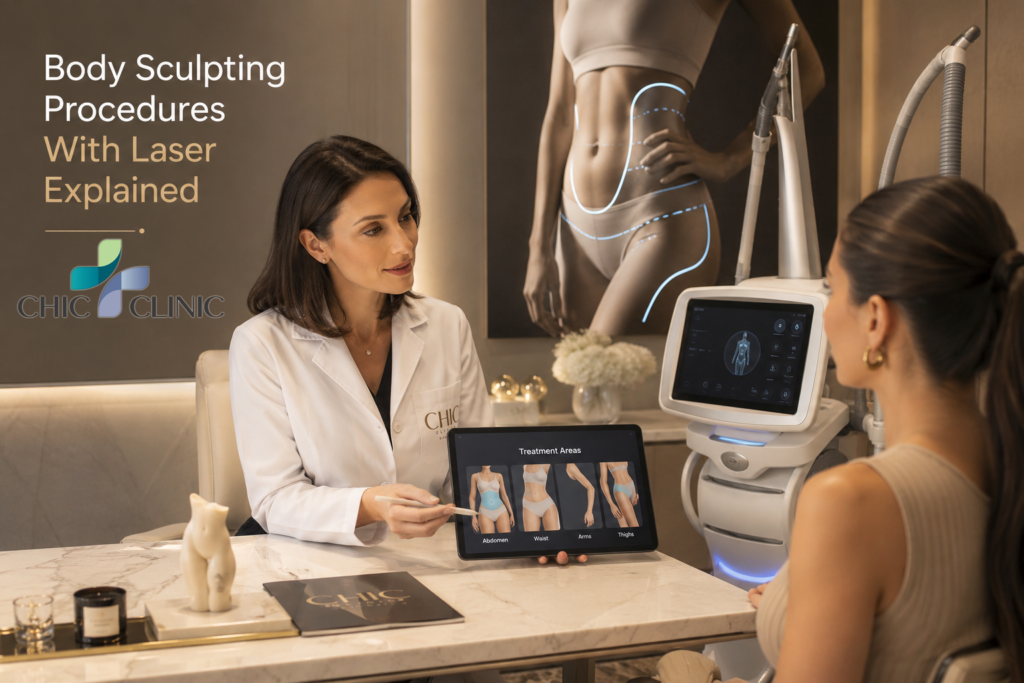
You do not need a dramatic amount of fat to feel frustrated by your shape. For many patients, the real issue is stubborn areas that stay in place despite diet, exercise, and weight stability. That is why body sculpting procedures with laser attract so much attention – they promise a more refined contour without the scale needing to change much at all.
For international patients, the interest usually goes beyond the treatment itself. They want to know what actually works, who qualifies, how much downtime to expect, and whether traveling for treatment can be handled in an organized way. If you are comparing options in Istanbul or elsewhere, the right starting point is not marketing language. It is understanding what laser body sculpting can and cannot do.
What body sculpting procedures with laser actually mean
The term covers a category of treatments that use laser energy to target fat or improve contour. Some are minimally invasive and involve a small cannula under the skin. Others are noninvasive and work through the skin surface. That difference matters because the results, recovery, and ideal patient profile are not the same.
When people say laser body sculpting, they may be referring to laser-assisted liposuction, where laser energy helps liquefy fat before removal. In other cases, they mean non-surgical contouring devices designed to reduce small fat pockets over time. Some laser-based treatments are also chosen because they may support mild skin tightening, which can be helpful when the concern is not just fat volume but loose-looking definition.
This is why a proper consultation matters. Two patients can both ask for a slimmer waist, but one may need a surgical approach for visible change while the other may do well with a less invasive option.
How laser body sculpting works
Laser energy is used to heat targeted tissue. In laser-assisted fat reduction, that heat can disrupt fat cells and make them easier to remove or gradually process through the body, depending on the method used. In some cases, the heat also stimulates collagen activity, which is why these procedures are sometimes discussed as both fat-reduction and skin-refining treatments.
The appeal is easy to understand. Compared with traditional surgery, certain laser techniques may involve smaller incisions, less trauma to surrounding tissue, and a shorter recovery for the right candidate. But that does not mean they are effortless or universal. The outcome depends on how much fat is present, how elastic the skin is, and whether the patient expects subtle refinement or a more dramatic reshaping.
Who is a good candidate for body sculpting procedures with laser
The best candidates are usually close to their target weight and want to address localized fullness. Common treatment areas include the abdomen, flanks, thighs, upper arms, back, and under the chin. These procedures are generally about contour, not major weight loss.
A patient with good skin tone and a modest fat pocket often sees the clearest benefit. If there is significant skin laxity, a laser-based treatment alone may not create the smooth result the patient is hoping for. In that case, a surgeon may recommend a different procedure, or a combination plan, to avoid disappointment.
Honesty is essential here. If your goal is to remove a large amount of fat or correct loose skin after major weight loss, laser sculpting may not be the best standalone answer. A more comprehensive procedure could be more appropriate, even if the recovery is longer.
Common areas patients want treated
The abdomen remains one of the most requested areas because even fit patients often struggle with lower belly fullness. The waist and flanks are another popular choice, especially for patients who want a more defined silhouette in clothing.
Arms, inner thighs, bra-line fullness, and the chin can also respond well in selected cases. Smaller areas may be particularly appealing for laser-assisted contouring because patients are often looking for precision rather than a major volume change.
The key is matching the treatment area to realistic expectations. A chin refinement goal is very different from an abdominal reshaping goal, and the treatment plan should reflect that from the start.
Laser sculpting vs traditional liposuction
This is one of the most common comparisons, and it is worth being direct about it. Traditional liposuction is often better when the goal is to remove a larger volume of fat and create a more substantial contour change. Laser-assisted techniques may offer advantages in certain smaller or more targeted areas, and some patients like the idea of added skin-tightening potential.
Still, laser does not automatically mean better. It means different. For a patient who needs more aggressive fat removal, standard liposuction may deliver a clearer result. For a patient focused on smaller deposits and a less invasive approach, a laser-based option may be attractive.
The best clinics do not force every patient into one method. They evaluate the anatomy, the amount of correction needed, and the patient’s schedule, then recommend the approach that fits.
What recovery is usually like
Recovery depends on whether the treatment is noninvasive or minimally invasive. A non-surgical laser contouring session may involve little to no downtime, though visible changes usually take time and often require multiple sessions. Laser-assisted liposuction has a more involved recovery, but it is still often seen as manageable compared with larger surgical procedures.
Patients can expect some swelling, tenderness, and bruising after invasive contouring methods. Compression garments may be recommended. Final results are not immediate because the body needs time to settle and heal.
This matters even more for medical travelers. If you are flying home after treatment, your care plan should account for checkups, mobility guidance, and the timing of your return trip. A well-coordinated experience reduces stress because the practical details are handled alongside the medical side.
What to ask before booking treatment abroad
If you are considering treatment in Istanbul, do not focus only on price. Ask what type of laser technology is being used, whether the procedure is surgical or non-surgical, who performs it, what kind of results are realistic for your body type, and how follow-up is organized.
You should also ask what is included in the journey. International patients often need more than a procedure date. They need clear online consultation, photo-based assessment, airport transfers, hotel planning, language support, and a contact point that stays available throughout the visit.
That is where a coordinated medical tourism model becomes valuable. At Chic Clinic Istanbul, for example, many patients begin with a WhatsApp consultation and photo review so they can understand candidacy before making travel plans. That kind of structure helps turn a complicated decision into a manageable process.
Why expectations matter more than the device name
Patients are often drawn to treatment names because they sound advanced. But the technology label is not the main reason people end up happy with their results. Satisfaction usually comes from good candidate selection, a realistic plan, and strong support before and after the procedure.
If a patient with loose abdominal skin is promised a sculpted outcome from a treatment that mainly addresses small fat deposits, the issue is not the laser. It is the mismatch between the treatment and the problem. On the other hand, when a suitable patient chooses a laser-based contouring approach for the right area, the result can be elegant and very worthwhile.
A trustworthy provider should be comfortable saying when laser sculpting is a good fit and when it is not. That kind of guidance protects both your result and your travel investment.
Is laser body sculpting worth it?
For the right patient, yes. Body sculpting procedures with laser can be a smart option when the goal is targeted contour improvement, not major weight reduction. They can appeal to patients who want a less invasive approach, smaller treatment areas, or a recovery plan that feels more manageable.
But worth depends on fit. If your expectations are modest and your anatomy is suitable, laser contouring may offer the change you have been trying to achieve for years. If your goals are bigger, a different procedure may be the more honest path.
The best next step is not guessing from before-and-after photos alone. It is getting a professional assessment based on your body, your goals, and your travel plans. When the medical recommendation and the coordination experience are both handled properly, the treatment journey feels far more clear – and that peace of mind is often just as valuable as the contour change itself.