
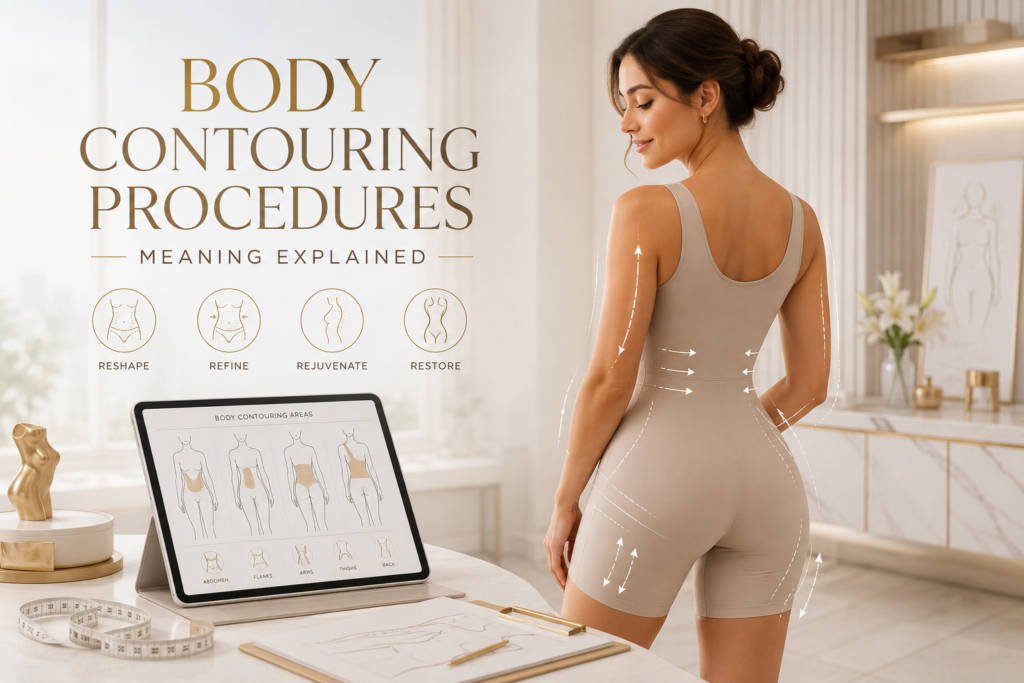
You see the phrase everywhere while researching cosmetic treatment abroad, but body contouring procedures meaning is often explained too vaguely. For most patients, it simply refers to treatments designed to reshape the body’s silhouette by removing excess fat, tightening skin, or improving proportion in specific areas. The key word is contour. These procedures are not really about overall weight loss. They are about creating a smoother, firmer, more balanced shape when diet and exercise have already taken you part of the way.
That distinction matters, especially if you are comparing options in another country and trying to understand what you are actually paying for. Body contouring can involve surgery, non-surgical technology, or a combination of both. The right choice depends on your skin quality, the amount of fat involved, your recovery expectations, and how dramatic a change you want to see.
What body contouring procedures meaning includes
In practical terms, body contouring procedures meaning covers a group of treatments that change the outline of areas such as the abdomen, waist, thighs, arms, back, buttocks, and neck. Some procedures remove localized fat. Others remove loose skin. Some do both.
This is why the term can feel confusing. A patient asking about body contouring may actually be referring to liposuction, a tummy tuck, an arm lift, a thigh lift, or non-surgical fat reduction. They all fit under the same broad category because the goal is similar – better shape and definition.
The most common misunderstanding is assuming body contouring is one specific operation. It is not. It is a treatment category. Your surgeon usually recommends a specific procedure based on what is causing the shape concern in the first place.
Surgical body contouring procedures
Surgical options are usually the best fit when there is a meaningful amount of loose skin, separated muscles, or stubborn fat that needs direct removal. These procedures tend to offer the most visible change, but they also involve downtime, scarring, and a more serious recovery process.
Liposuction
Liposuction removes localized fat deposits from areas such as the abdomen, flanks, thighs, back, arms, or chin. It is ideal for patients close to their target weight who struggle with pockets of fat that do not respond well to lifestyle changes.
What liposuction does well is refine shape. What it does not do well is tighten significantly loose skin. If the skin has poor elasticity, fat removal alone can sometimes leave the area looking less smooth than expected.
Tummy tuck
A tummy tuck is one of the most requested body contouring surgeries because it addresses several issues at once. It can remove excess abdominal skin, tighten weakened abdominal muscles, and improve the waistline. Patients after pregnancy or major weight loss often benefit most from this option.
This is where expectations need to stay realistic. A tummy tuck can create a flatter, firmer midsection, but it is not a substitute for weight loss. It is also a bigger surgery than liposuction alone, with a longer recovery and a scar that needs to be planned carefully.
Arm lift and thigh lift
When loose skin is the main issue, especially after significant weight loss, lifting procedures may be more effective than fat reduction alone. An arm lift reshapes the upper arms, while a thigh lift improves contour in the inner or outer thigh area.
These surgeries can make clothing fit better and help patients feel more comfortable in their bodies, but the trade-off is visible scarring. For many patients, that trade-off is worth it. For others, scar placement becomes part of the decision-making process.
Lower body lift and post-weight loss contouring
Patients who have lost a large amount of weight often need more than one area treated. A lower body lift can address the abdomen, flanks, lower back, and buttock area in one surgical plan. In some cases, body contouring becomes a staged journey rather than a single procedure.
This is why planning matters so much. If you are traveling for surgery, your team should look at the full picture, not just one body area in isolation.
Non-surgical body contouring procedures meaning in practice
If you come across ads for body contouring without surgery, they are usually referring to treatments that target fat cells, stimulate collagen, or tighten skin using energy-based technology. These options appeal to patients who want less downtime and no surgical scars.
They can be useful, but they are not equal to surgery in terms of power or result. Non-surgical treatments are best for smaller concerns, mild laxity, or patients who want subtle improvement.
Popular examples include fat freezing, radiofrequency-based skin tightening, ultrasound treatments, and body sculpting devices. These methods may reduce small fat pockets or improve firmness over time, but results usually appear gradually and often require multiple sessions.
For someone with hanging abdominal skin after weight loss, non-surgical body contouring is unlikely to deliver the change they want. For someone with mild fullness at the waist and good skin elasticity, it may be enough.
Who is a good candidate?
The right candidate for body contouring is not necessarily the thinnest patient. It is the patient with stable weight, realistic expectations, and a specific contour concern that can be clearly treated.
If your weight is still changing, most surgeons will advise waiting. Body contouring works best when your body has settled. That is especially true after bariatric surgery, pregnancy, or a major lifestyle transformation.
Good general health matters too. Smoking, certain medical conditions, and poor healing history can affect whether surgery is advised. For international patients, this evaluation usually starts remotely with medical history, photos, and a consultation before travel is planned.
What results can you realistically expect?
Body contouring can produce a major improvement in proportion and definition, but it does not create perfection. Results depend on your anatomy, skin quality, healing response, and the procedure selected.
Patients often notice that the real benefit is not just a smaller measurement. It is a cleaner body line, better fit in clothing, and improved balance between areas such as the waist and hips. That is why two patients at the same weight may have very different outcomes.
There is also a timing factor. Swelling can last for weeks or even months, especially after surgery. Early results rarely show the final shape. This is one reason patients need careful guidance, particularly when they are traveling home during the recovery period.
Why consultation matters more than the name of the procedure
A lot of patients start by asking for a treatment by name. In reality, the better question is what is causing the shape issue. Is it fat, loose skin, muscle laxity, or a combination?
That answer changes everything. A patient may request liposuction but actually need a tummy tuck. Another may think they need skin removal when targeted liposuction would be enough. This is where an experienced surgical assessment saves time, money, and disappointment.
For international patients, a photo-based pre-assessment can be especially helpful because it gives a realistic starting point before flights and hotel arrangements are discussed. A well-organized clinic should make that process simple, private, and clear.
Body contouring abroad: what patients should look for
When you are considering treatment overseas, price should never be the only factor. Body contouring is about planning, safety, recovery, and support just as much as the surgery itself.
You want to know who is evaluating your case, what procedure is actually recommended, how many days you should stay, what aftercare is included, and what level of coordination you will have once you arrive. These details matter even more if you are combining surgery with travel.
This is why many international patients prefer a coordinated experience instead of handling everything alone. At Chic Clinic Istanbul, for example, patients typically begin with a WhatsApp consultation and photo review, then receive support with scheduling, transfers, and hotel arrangements so the journey feels structured from the first message.
That kind of support does not replace medical quality, but it does make the entire process easier to manage. For many patients, peace of mind comes from knowing both the procedure and the logistics are being handled carefully.
Is body contouring worth it?
If your concern is body shape rather than the number on the scale, body contouring can be a very effective next step. The real value is in choosing the right procedure for the right reason. Surgery can deliver dramatic correction when skin and tissue need direct treatment. Non-surgical options can help when the concern is mild and recovery time needs to stay minimal.
The phrase may sound broad, but the goal is actually quite specific – helping your body match the progress you already worked hard to achieve. Once you understand that, the next step becomes much clearer: get an honest assessment, ask what is realistically possible, and choose a plan that fits both your body and your journey.