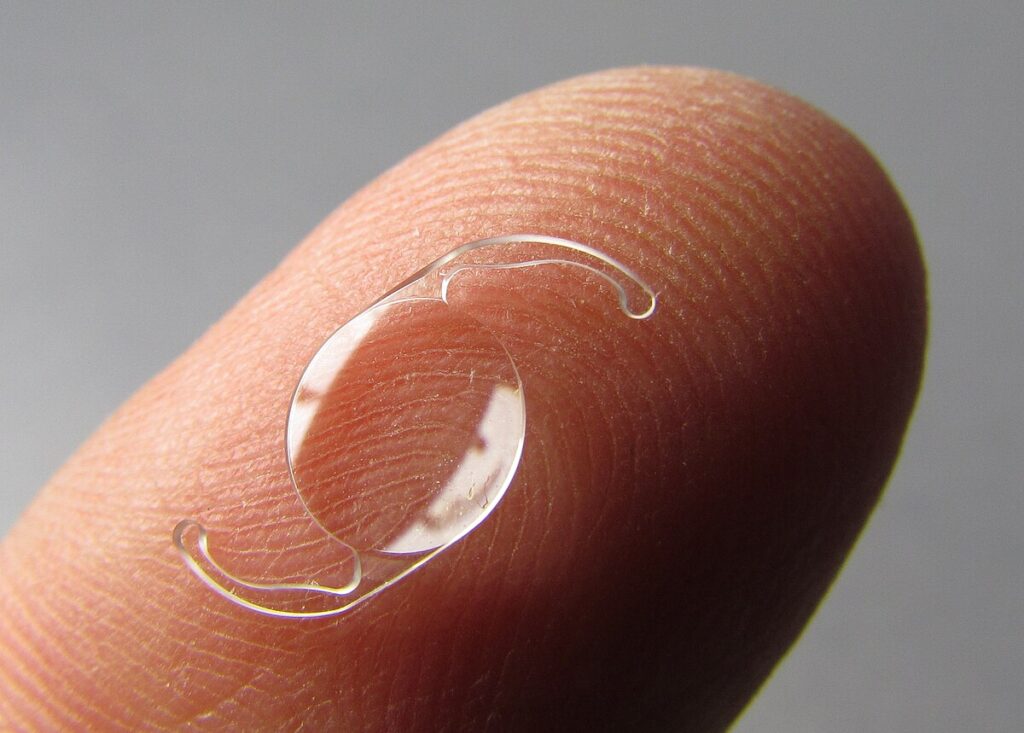
Every person has a natural intraocular lens that is both transparent and flexible. This flexibility allows the lens to change shape and focus on objects at different distances—near and far—providing clear vision throughout daily life.
How Aging Affects the Natural Eye Lens
As we age, the eye’s natural lens gradually:
Loses its flexibility
Loses its transparency
Becomes less capable of focusing on near objects
May eventually develop cataracts
Typically, around the age of 40 and beyond, the lens starts losing elasticity, leading to difficulty with near vision (presbyopia). Over time, cataract formation may also occur. The natural intraocular lens can be safely replaced once it no longer performs its function effectively.
What Is a Smart Lens?
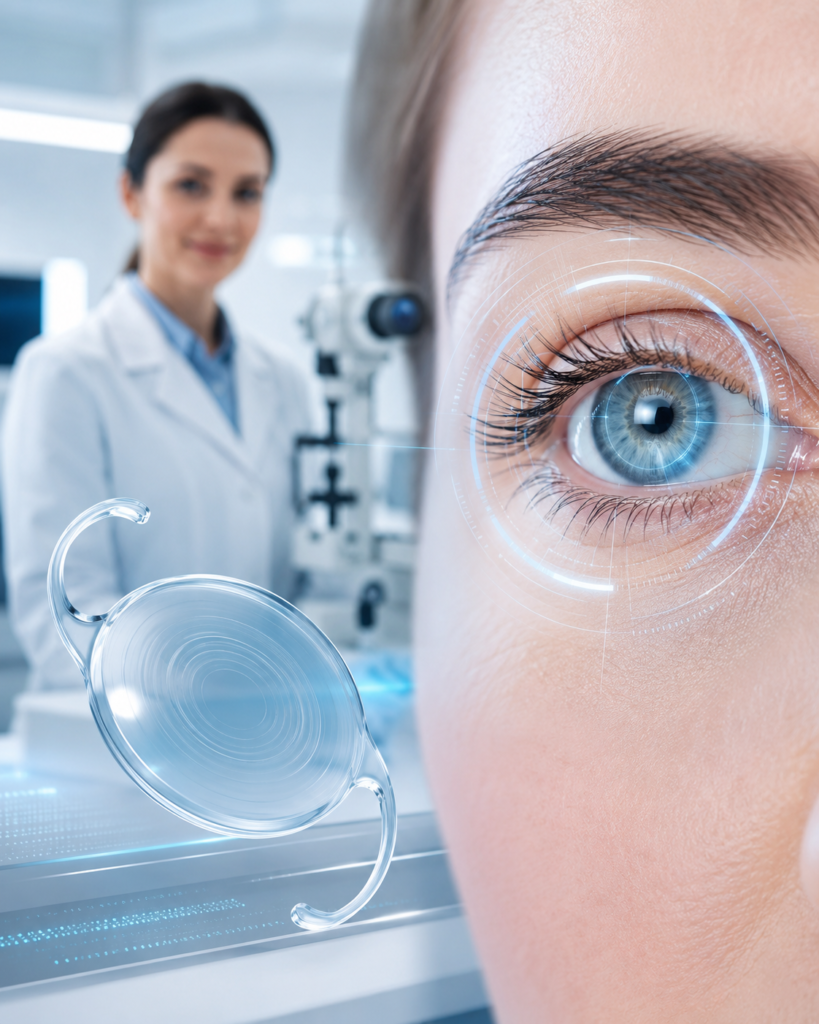
A Smart Lens is an advanced artificial intraocular lens implanted in place of the eye’s deformed natural lens. This innovative lens is designed to:
Focus clearly at distance
Provide sharp vision at intermediate distance
Enable comfortable near vision
With a Smart Lens, patients can enjoy clear vision at all distances without dependence on glasses. In addition, once the natural lens is replaced:
Refractive errors (diopters) no longer progress
Cataracts cannot develop again in that eye
Who Is a Good Candidate for Smart Lens Surgery?
Smart Lens treatment is especially suitable for:
Individuals over 40 years old with farsightedness or combined near and distance vision problems
Patients who want to permanently eliminate the need for glasses
People aged 35–40 whose refractive errors are too high to be corrected safely with laser eye surgery
Patients who previously underwent laser eye surgery but later developed near or distance vision problems due to lens aging
Any eye implanted with a Smart Lens can independently see both near and far without additional correction.
Who Is Not Suitable for Smart Lens Surgery?
Smart Lens implantation may not be recommended for:
Patients with Type 1 diabetes or uncontrolled diabetes
Individuals with retinal diseases, such as macular degeneration (yellow spot disease) or retinal detachment
Patients with a history of intraocular surgeries
Some patients aged 70 and above, where expectations and visual adaptation may affect satisfaction
Careful patient selection is essential. The goal of Smart Lens surgery is to make wise, personalized medical decisions, ensuring long-term satisfaction and improved quality of life.
Book Your Smart Lens Consultation
If you are over 40 and want to enjoy clear vision at all distances without glasses, Smart Lens surgery may be the ideal solution for you. Our experienced ophthalmology team will evaluate your eye health and help determine whether this advanced treatment is right for you.
For a confidential consultation, contact our clinic on WhatsApp and receive personalized medical guidance from our specialists.